
Targeted updates such as antimicrobial privacy curtains show how small, practical changes can strengthen everyday infection‑prevention measures and support safer clinical environments across the NHS
Infection prevention and control remains a core responsibility across the NHS, underpinning safe care and helping to limit the spread of viruses and bacteria in busy clinical environments. National guidance provides a clear framework for how risks should be assessed and managed, and trusts routinely review their local procedures to ensure they reflect current evidence and operational needs. This ongoing work supports safer conditions for patients and staff, particularly during periods of heightened seasonal pressure.
Alongside national standards, healthcare settings rely on a range of practical, day‑to‑day measures to reduce the likelihood of transmission. Regular hand hygiene, appropriate use of PPE, and clear isolation or cohorting arrangements help minimise cross‑infection between patients and staff. Routine cleaning of high‑touch surfaces, careful visitor management and good ventilation also play an important role in maintaining safe clinical spaces. Many trusts continue to refine these measures and introduce targeted improvements where needed, including updates to equipment and materials used in patient areas.
Anti-microbial curtains
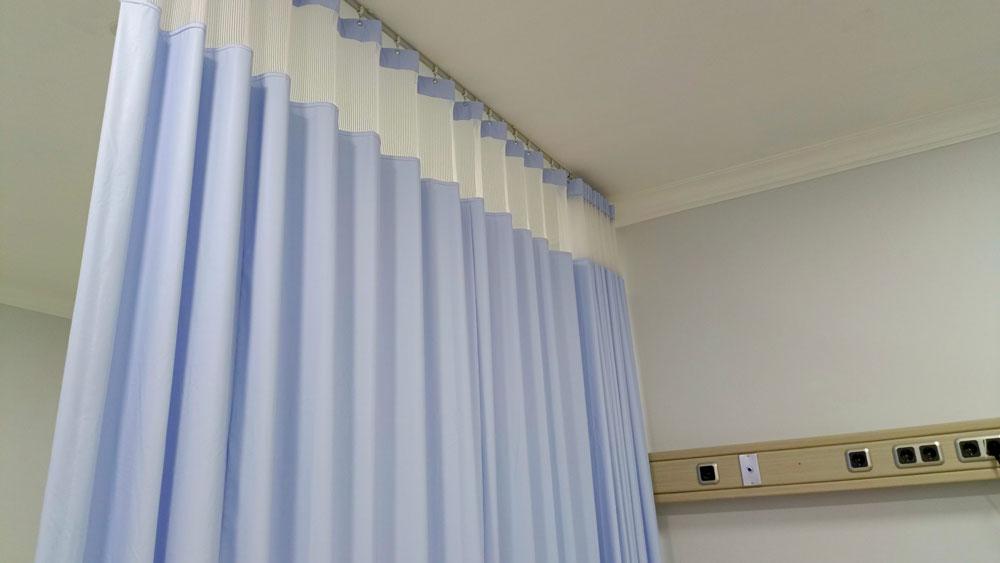
Gloucestershire Hospitals and Gloucestershire Managed Services recently completed a trust-wide rollout of antimicrobial disposable privacy curtains. The move is intended to reduce infection risk, support safer working for staff and create cleaner, more efficient clinical spaces.
Traditional fabric curtains were replaced with Fantex IPC disposable curtains, which are made with hygienic, non‑woven polypropylene treated with antimicrobial technology. The curtains 99.9 per cent of harmful pathogens within one minute, including MRSA, CRE and coronavirus. The curtains are also fire retardant to BS 5867 standards and fully recyclable, which means they don’t need to be laundered.
Now in place across wards, clinics and theatres, the curtains are designed to be straightforward for staff to use and maintain. They are lighter than traditional fabric versions and can be fitted quickly onto existing tracks, which helps reduce manual‑handling demands. Clear date labels support routine checks, and the one‑minute changeover time allows teams to replace curtains promptly with minimal disruption to patient care.
Kerry Holden, Deputy Director of Infection Prevention and Control said: “Privacy curtains are one of the most frequently touched surfaces in patient care areas. Fantex IPC antimicrobial curtains have been found to strengthen infection prevention measures. Evidence from implementation elsewhere shows up to 85% of hospitals reported a reduction in infection rates after introducing these curtains, with an average reduction of around 20%.
"They also support safer working practices for staff and are more sustainable. This initiative makes a meaningful contribution to improving patient safety.”
Dr Mike Gregson, Managing Director of Gloucestershire Managed Services, said: “This Trust‑wide introduction of antimicrobial disposable curtains is a straightforward change that delivers significant benefits. It strengthens infection prevention, improves manual handling for our staff and allows clinical areas to be reset quickly and safely. I’m proud of the teams who have worked together to deliver this successfully across GHFT.”
Measures like antimicrobial privacy curtains show how small, practical changes can strengthen everyday infection‑prevention efforts in clinical settings. While core practices such as hand hygiene, PPE use and environmental cleaning remain the foundation of safe care, targeted updates to materials and equipment can help reduce risk further and support staff in maintaining high standards. As trusts continue to review their environments and adopt improvements where they add value, these incremental steps contribute to safer, more resilient patient spaces across the NHS.