
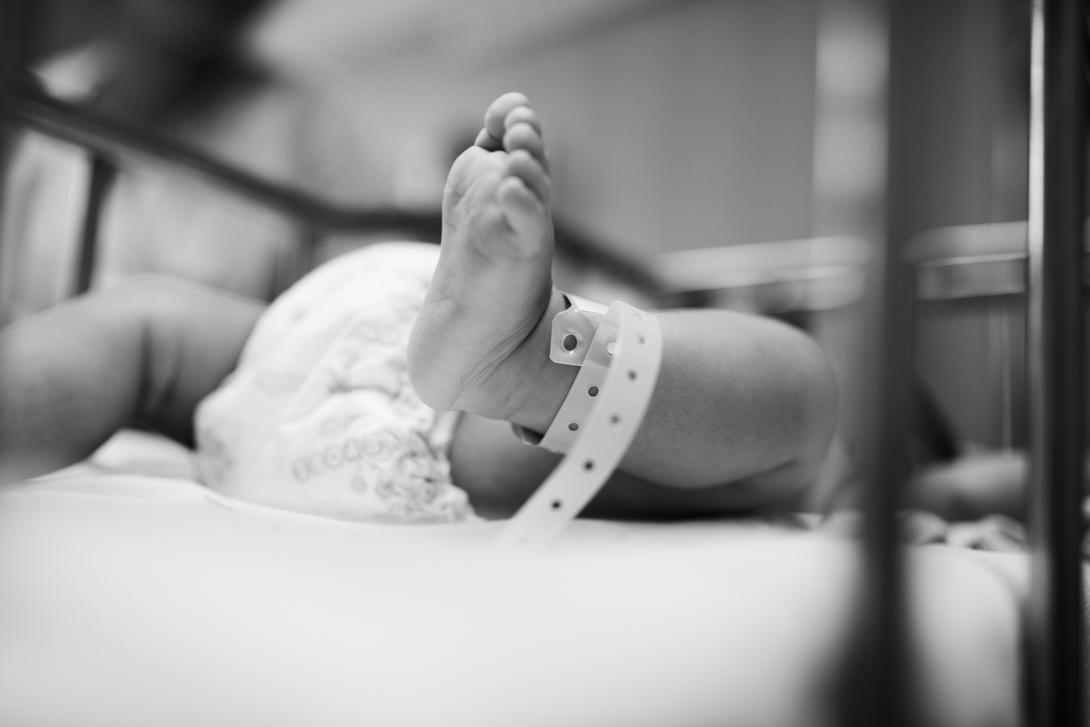
The NHS has struck a deal for a life-saving treatment that will offer babies and young children with a rare and fatal genetic disease the prospect of a normal life.
NHS England chief executive Amanda Pritchard said that the revolutionary gene therapy treatment, which reportedly involves the most expensive drug in the world, is used to treat metachromatic leukodystrophy (MLD), which causes severe damage to the child’s nervous system and organs, and results in a life expectancy of between just five and eight years.
Also known as Libmeldy, the drug can now be offered to young patients on the NHS in England after the health service negotiated a significant confidential discount. It has a reported list price of more than £2.8 million.
Libmeldy works by removing the patient’s stem cells and replacing the faulty gene that causes MLD before then re-injecting the treated cells into the patient. It prevents the development of a crucial enzyme that leads to a build-up of fats that then destroy the protective layers around the child’s nerves.
Previous treatment options for MLD were limited to managing symptoms and supportive care. It is estimated that around four babies born every year in England will have the condition.
Pritchard said: “This revolutionary drug is a life-saver for the babies and young children who suffer from this devastating hereditary disorder and will spare their families untold heartache and grief.
“The deal we have struck is just the latest example of NHS England using its commercial capabilities to make good on the NHS Long Term Plan commitment to provide patients with cutting-edge treatments and therapies at a price that is fair to taxpayers. It also shows that while rolling out the world-leading NHS Covid vaccination programme, and caring for people with the virus, the health service is also doing its very best to care for millions of patients with other conditions.”