
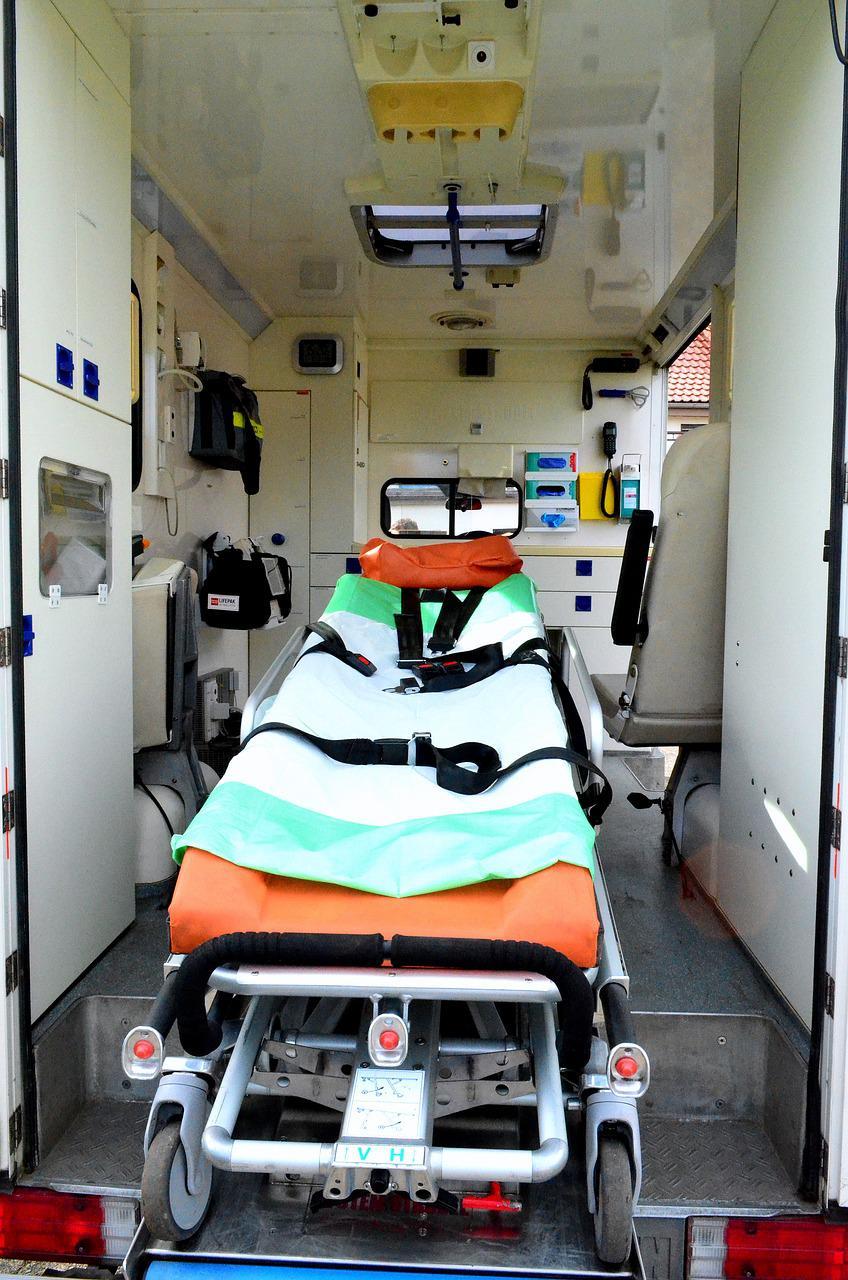
The East of England Ambulance Service NHS (EEAST) Trust are trialling three electric rapid response cars.
The electric vehicles are part of a two-year trial to see how they can be used to the best effect.
Two Skoda Enyaq iV 80x vehicles will be used as rapid response cars, for urgent calls such as cardiac arrests, and a Vauxhall Vivaro-E van will be trialled for different roles, such as a falls response vehicle and as a mental health response vehicle.
EEAST which covers covers Bedfordshire, Cambridgeshire, Essex, Hertfordshire, Norfolk and Suffolk, is waiting for technology to progress before trialling electric ambulances.
Chief executive of the trust, Tom Abell, said the new electric vehicles are "much faster" than their diesel equivalents, doing 0 to 60 mph in 6 seconds, half that of a diesel rapid response car. Using the quickest charger, the electric vehicles can be charged 80 per cent in 30 minutes.
Mr Abell said: "Clearly the challenge with it is going to be range, but actually in terms of their general performance actually they are superior in many ways and they're zero emission which is fantastic."
He continued: "The east of England is a very diverse geographical area ... We know that this technology works very well in urban areas and cities.
"We need to look at how it will work in more rural communities and what is the charging infrastructure and the ways of working that we're going to need to put in place in order to be able to support this technology moving forward."
The trial is part-funded by a £250,000 grant from NHS England which paid for new charging infrastructure. Chargers are being installed at large hub sites across the area, with smaller stations set to receive them later. Charging is also possible at commercial charging sites with a payment card system. Control room staff who receive emergency calls and send crews are able to see the level of charge of each vehicle thanks to telematics.
As part of the trial, the electric vehicles will be trialled with community first responders and with partners in the police and fire service, who often respond to events alongside the ambulance service. This helps to understand how the vehicles will work in different settings.
The introduction of electric vehicles is part of the NHS's pledge to net zero by 2045.
Image: Pixabay