
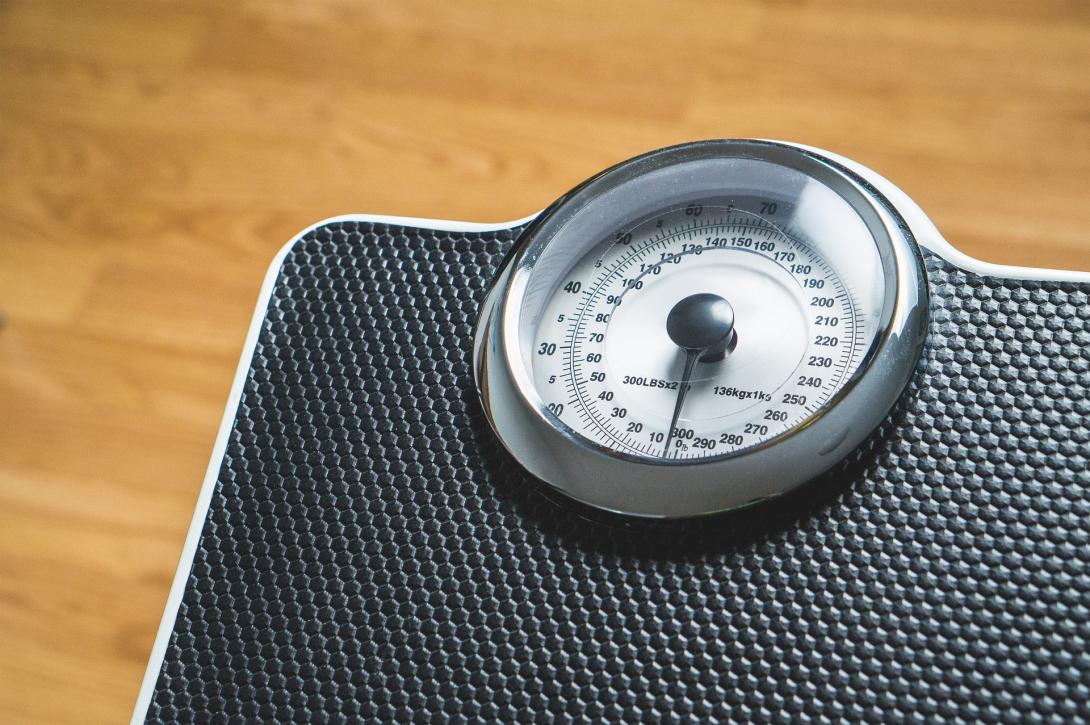
NHS research has shown that people seeking NHS help to lose weight during the pandemic are on average five pounds heavier than those starting the programme during the previous three years.
The NHS has warned that extra weight, gained as people lived through the pandemic, means people are at higher risk of developing Type 2 diabetes.
The study, published in The Lancet Diabetes and Endocrinology, showed that people aged under 40 enrolling on the NHS Diabetes Prevention Programme have seen the greatest differences in weight and are an average of eight pounds heavier than those enrolling before. It is estimated that weight gain of one kilogram, or 2.2 pounds, can increase someone’s risk of diabetes by around eight per cent.
More than 405,000 have been helped by the programme since it was first established in 2016 and have been provided with bespoke advice on healthy eating, physical exercise and weight management. The NHS has fast-tracked access to the Programme after research found that people are twice as likely to die from coronavirus if they have Type 2 Diabetes.
Jonathan Valabhji, NHS national clinical director for diabetes and obesity, said: “The pandemic has changed every part of our lives and taken a toll on mind and body, with thousands of people paying a heavy price, and many gaining weight during lockdown. The increase in weight also means an increased risk of Type 2 diabetes – which is associated with many of the common types of cancer, blindness, amputations as well as heart attacks and strokes.
“As we return to normal life, there has never been a better time to make small changes to improve our health – our NHS Diabetes Prevention Programme can help people do just that. It is quick and easy to check your risk so if you are worried, please do check your risk today. The NHS is here to help you.”
Dan Howarth, Hhad of Care at Diabetes UK, said: “Type 2 diabetes is a complex condition with multiple risk factors that include age, family history and ethnicity. Living with obesity is the single greatest risk factor, and accounts for 80-85 per cent of someone’s risk of developing the condition.
“This study suggests that during the pandemic there may have been an increase in the body weight of people at high risk of Type 2 diabetes. This is concerning as it could lead to rates of the condition rising more steeply down the line. The NHS Diabetes Prevention Programme plays a pivotal role in supporting those at risk and, as many people have found it harder to manage their weight during the pandemic, it has never been more vital.”