
During the coronavirus pandemic female doctors have been consistently taking on extra - often unpaid - work to the detriment of their own wellbeing and mental health.
This is according to the British Medical Association, who have released new research showing that female doctors ‘felt compelled to step up’ during the pandemic, even though they knew they were at risk.
The BMA has been regularly surveying doctors across the UK since April last year to better understand their experiences and the issues they face as they work through the pandemic. When comparing genders, the BMA’s latest survey of more than 7,000 doctors, found that 27 per cent of women answered ‘yes’ when asked whether they had undertaken additional hours’ work over and above their contractual requirement as part of the response to coronavirus. This is compared to 23 per cent of men who answered yes.
Since August, there has been a seven percentage points increase in the number of women saying they have taken on additional hours’ work outside of the contractual requirements.
When asked if this was because they felt pressured by their employer or themselves, however, 26 per cent admitted they felt pressured ‘by myself’, compared to 15 per cent who said it was because of their employer.
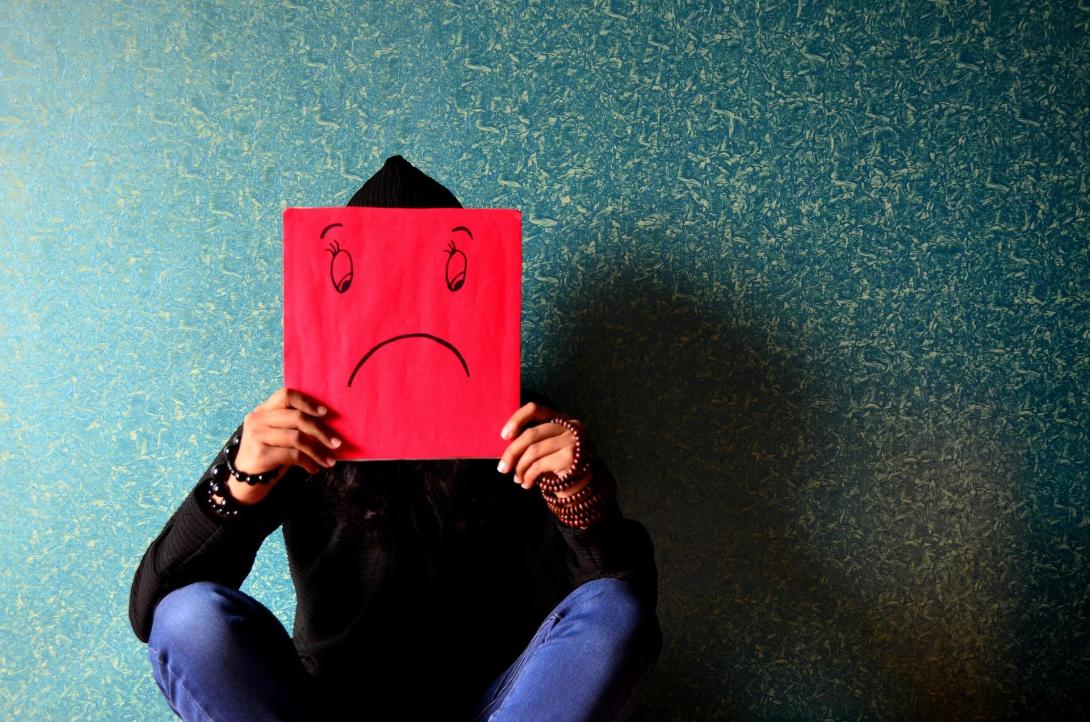
When asked in April 2020, if they consider themselves to be currently suffering from depression, anxiety, stress, burnout, emotional distress, or other mental health conditions relating to or made worse by their work or study, 31 per cent of women said ‘yes, and worse during this pandemic than before’, compared to just 25 per cent of men.
Ten months later, in February of this year, that figure had risen to 44 per cent for women and 35 per cent for male doctors. While an increase in levels of burnout and emotional distress are to be expected for all doctors, the disparity between the sexes is marked and growing.
Helena McKeown, a chief officer at the BMA, said: “Everyone in the NHS is currently going above and beyond in the fight against Covid-19, but to see the pressures that women are putting on themselves at the expense of their own health is shocking. There is perhaps an assumption that balancing the demands of home-schooling and childcare with their work and personal lives is the only cause of increased stress amongst female doctors, but as these results show, this clearly isn’t the case, and rather something that women from all different walks of life are struggling with.
“Understanding why this is, is an important step in helping to relieve the pressures that female doctors are currently facing, and it’s important to remember that while doctors - both men and women - have a tendency to just ‘get on with it’, we are not superhuman and need to take care of ourselves as much as we do our patients.
“The effects of this pandemic will be felt for a long time to come, both in terms of the impact on the NHS, and the long-term mental wellbeing of our staff. Even as Covid-19 cases fall, doctors and their colleagues will continue to feel the pressure as the health service faces a surge in demand for non-Covid-related care.
“The BMA is concerned about the current, medium and long-term effects on the workforce of working so hard with so little respite and experiences including caring for many dying and critically ill patients, moral injury and putting themselves at risk. It is vital that staff can access occupational health assessments of their wellbeing with suitably adapted working patterns and psychological support, now and for as long as it’s needed. Supporting the well-being of the health workforce must be a top priority in the long-term.”