

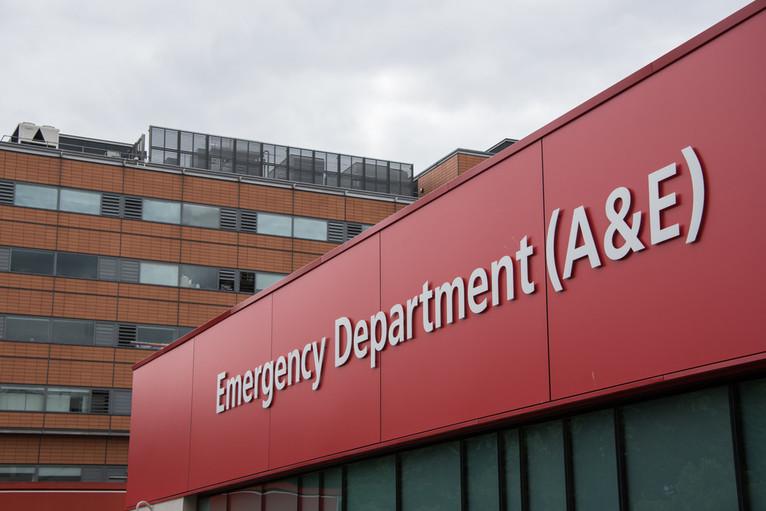
Health leaders are warning that overwhelming demand from patients is putting severe and unprecedented strain on the urgent care system.
A huge spike in demand for non-Covid related urgent healthcare in both children and adults, combined with another surge in Covid cases and uncertainty about the number of patients with long Covid, means the NHS is experiencing severe winter-like pressures in summer.
Senior NHS staff are urging the government to start an open conversation with the public about the unprecedented situation which has left urgent care services experiencing the kind of patient footfall they would expect in January not July.
Across hospitals, ambulance trusts, mental health and community and primary care services, NHS Confederation members are reporting major spikes in demand which have led to a number of trusts declaring ‘black alerts’ – this means they are unable to safely deliver services to patients. This is almost unprecedented outside of a normal winter peak.
According to the NHS Confederation, this rise in demand has combined with staffing issues due to illness and self-isolation and is overwhelming primary care in some parts of the country, with demand spilling over into all parts of the urgent care system.
Leaders across all parts of the NHS paint a picture of a system struggling to cope with a challenging triple task: managing current and rapidly escalating demand, particularly for urgent care across primary and secondary care; reducing the huge backlog of elective procedures exacerbated by the pandemic; and any significant Covid surge this summer which will place even more strain on a system struggling to cope. This is having a direct and immediate impact on patient care as front-line services operate with much reduced capacity due to the need for infection prevention and control measures and are hampered by a reduced workforce as staff fall ill or have to self-isolate.
Matthew Taylor, chief executive of the NHS Confederation, said: “A significant Covid surge this summer will place even more strain on an urgent care system struggling to cope, and this will have a direct and immediate impact on the care the NHS can provide to patients.
“Many of our organisations are running far too hot and are much busier than they have historically been at this time of year. Our staff are also exhausted after a gruelling 18 months, yet a huge demand for healthcare has left the NHS buckling under the strain of running a winter-like service in summer.
“The NHS has been working at full pelt to reinstate services and get patients back through its doors as quickly as possible, with operations and other activity at 90 per cent of pre-pandemic levels. However, there is growing concern among NHS leaders that the rapidly rising demand for urgent and emergency care will threaten to slow down their attempts to recover the huge and rising elective care backlog.”