
Latest NHS England figures show that the number of patients waiting for routine operations rose to a record high of 5.6 million in July.
The figure is the highest since records began in August 2007, and up from 5.45 million in July. Nearly 1.8 million have been waiting longer than 18 weeks, while more than 293,000 have been waiting for more than a year.
The NHS in England is set to receive an extra £5.4 billion over the next six months to help tackle the backlog caused by the pandemic.
Data also shows that patients needing ambulances for life-threatening calls are often waiting longer than they should, with the average response the now eight and a half minutes in August. The target for urgent calls is seven minutes.
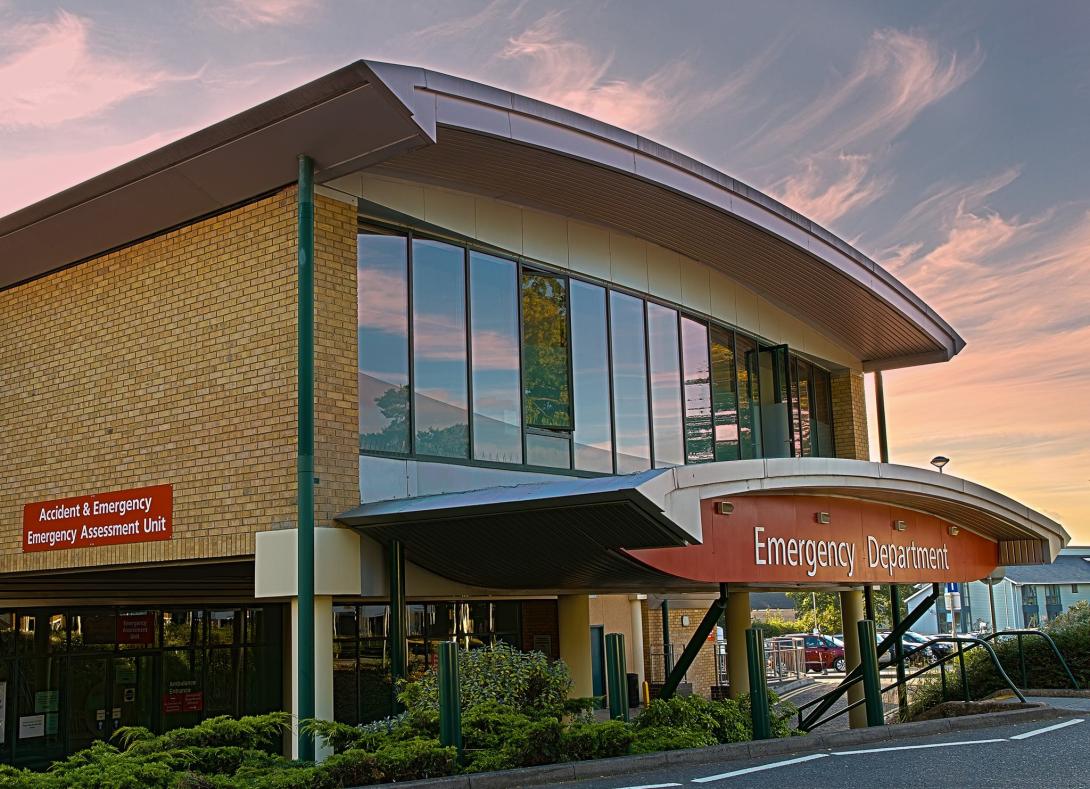
NHS staff have also had to contend with one of the busiest summers on record with 2.9 million attendances at major A&E departments in June and July.
The average response time for an ambulance that can take a patient to hospital - rather than a paramedic coming by bike or car - for this category in August was close to the worst on record - 11 minutes 10 seconds.
For category two calls, which cover heart attacks, seizures and road traffic accidents, the average wait was more than 38 minutes.
There were 3.9 million diagnostic tests and 2.6 million patients started consultant-led treatment over June and July, compared with 2.7 million tests and 1.6 million treatments over the same time last year.
Stephen Powis, National Medical Director for NHS England, said: “NHS staff have pulled out all the stops to deliver millions more tests, checks, treatments and operations than they did last summer despite caring for many more Covid patients.
“Caring for 450,000 patients with the virus has inevitably had a knock-on effect on less urgent care and left a backlog but staff are working around the clock to make the best possible use of government investment to treat as many people as possible.
“We do not know how many of those who held back from accessing care during the pandemic still need treatment, but we expect more to come forward in the coming months, and I urge anyone who needs the NHS to come forward, including through NHS 111 Online so that staff can help you with the best option for your care.”