
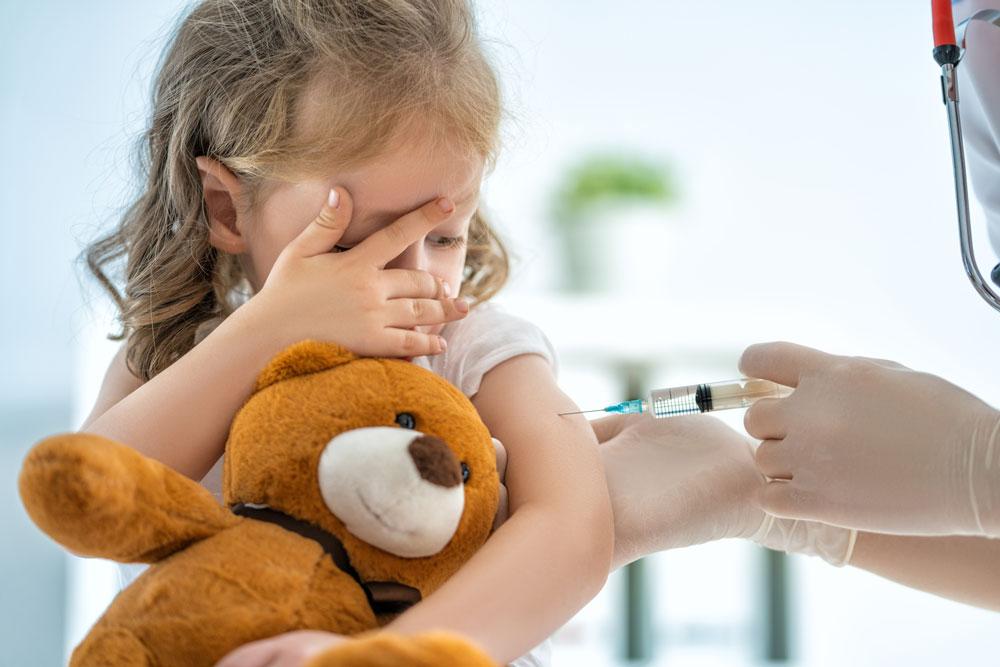
New data by the UK Health Security Agency (UKHSA) shows continued high levels of confidence in the UK vaccinations for children.
The Childhood vaccines parents attitudes survey 2025 found that 85 per cent of parents believe that childhood vaccines are safe, which is up from 84 per cent in 2023, 84 per cent trust them (up from 82 per cent in 2024), and 87 per cent believe that they work (a slight decrease from 89 per cent in 2024).
Parents had a strong awareness of the risks posed by vaccine-preventable disease, with over 90 per cent (compared to 86 per cent last year), and agreed that pneumonia, meningitis, hepatitis, polio and septicaemia were serious, alongside Respiratory Syncytial Virus (RSV, 85 per cent), which had a new vaccine introduced in September 2025.
76 per cent of parents had seen or heard information about children’s vaccines in the past year, predominantly from trusted sources including healthcare professionals and official NHS websites. Only seven per cent ranked the internet and three per cent social media in their top three most trusted sources.
79 per cent of parents wanted their child to have all vaccines offered before they had spoken to a health professional, and 53 per cent felt more confident in their decision after having spoken with a health professional. 15 per cent of parents who had decided not to vaccinate their children changed their mind following speaking with a healthcare professional.
Four out of five parents reported that they had not seen or heard concerning information about childhood vaccines, with 12 per cent reporting mixed information and only three per cent reporting hearing or seeing information that was against vaccines. 86 per cent of parents said they had received information to make an informed decision about vaccinating or not vaccinating their children.
Dr Julie Yates, UK Health Security Agency’s deputy director for immunisation programmes, said: “The findings from our latest survey are encouraging and show that most parents across the UK continue to trust the NHS childhood vaccination programme and understand its important in protecting our children. It’s particularly reassuring that parents identity healthcare professionals and NHS resources as their most trusted sources of vaccine information.
“Having questions about vaccines is a normal part of the parental journey. Our survey highlights the crucial role that healthcare professionals play in providing parents with accurate information about vaccines and the serious diseases they protect against, and in building confidence in these programmes. We urge parents with any concerns to speak with a trusted NHS professional such as their GP, health visitor, midwife or practice nurse.
“However, childhood vaccination rates are still not where we want them to be, and we cannot be complacent. We know that many parents and carers have busy lifestyles, and that finding time to ensure your child attends their appointment can be a challenge. That is why we are working with the NHS and partners to improve access to childhood vaccination services. Getting our rates up to the 95 per cent WHO target required to eliminate these diseases will take sustained effort and a long-term commitment across the public health system, and we are working together with families and communities to do this.”