Surveillance data from the UK Health Security Agency (UKHSA) show an average of 406 reported cases of antibiotic-resistant infections each week in 2025. This is an increase compared to previously.
A total of 21,129 antibiotic-resistant bacteraemia cases were reported in 2025, up 16.8 per cent from 18,086 in 2019. Bacteraemia is a potentially life-threatening infection where bacteria are present in the bloodstream.
However, the The English surveillance programme for antimicrobial utilisation and resistance (ESPAUR) report shows that while resistant infections are still increasing, the pace of that increase slowed in the past year. Cases rose by 3.2 per cent between 2024 and 2025, from 20,468 to 21,129, compared with a 9.3 per cent increase between 2023 and 2024 when cases rose from 18,732 to 20,468.
Progress has been made on reducing antibiotic use in the NHS, with efforts to promote best prescribing practices and responsible antibiotic use. Between 2019 and 2025, total antibiotic use in the NHS decreased by 10.7 per cent, from 17.8 to 15.9 defined daily doses per 1,000 inhabitants per day (DID).
Furthermore, the number of private antibiotic prescriptions dispensed in community pharmacies, which are not included in the total NHS consumption figure above, declined by 20.8 per cent between 2024 and 2025, from 0.61 to 0.48 DID.
The report estimates that the number of deaths among people with a resistant Gram-negative bacteraemia remained broadly level at 2,318 deaths in 2025 compared with 2,399 deaths in 2024.
Dr Shona Arora, Interim Chief Medical Advisor at UKHSA, said: "Every week hundreds of people face a new reality of what it means to get an antibiotic-resistant infection, which can increase the risk of serious illness, and even death. Our most deprived communities and older generations continue to be hit hardest by the effects of antimicrobial resistance, although anyone can be impacted.
"It is positive to see signs that ongoing efforts to promote responsible antibiotic use are having an impact but there are still significant challenges as resistant infections continue to increase. We can’t rely on reducing antibiotic use alone. We need to continue our work with partners globally to prevent infections from occurring in the first place, alongside exploring new treatment options.
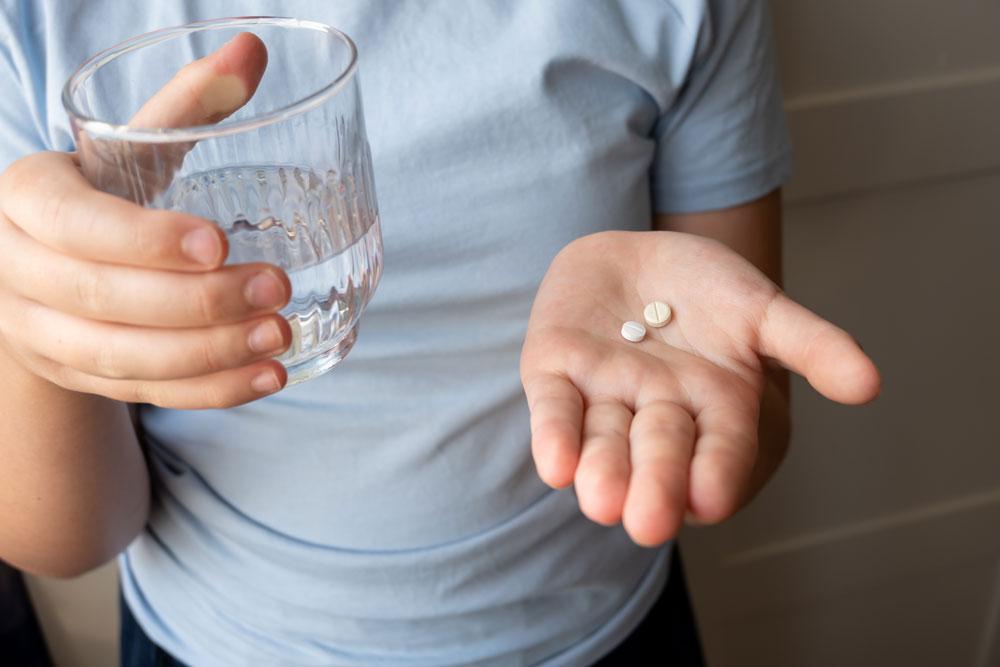
"The public can play their part too. Please remember to only take antibiotics if you have been told to do so by a healthcare professional. Do not save some for later or share them with friends and family. If you have leftover antibiotics, please take them to a pharmacy which can dispose of them appropriately. It’s also important to take up the vaccinations you are eligible for to help stop infections in the first place."
Dame Diana Johnson, Minister for Public Health and Patient Safety, said: "Infections like these put patients at even greater risk as they are harder to treat and can be life-threatening. While it is encouraging to see antibiotic use in the NHS falling, we know we need to do more to protect everyone, especially older people, and those in the most deprived areas.
"That’s why I urge everyone to only take antibiotics when advised by a healthcare professional, complete the course and never share or save them. This will help reduce the spread of resistant infections and keep all of us safer."