
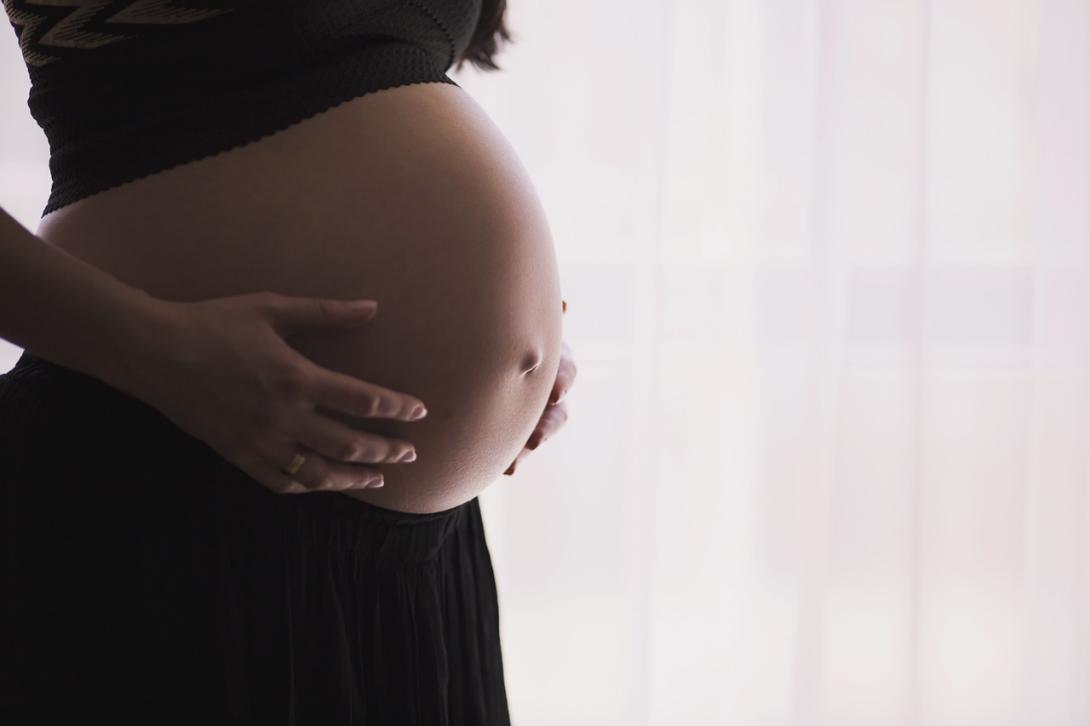
There are fears that the combination of restrictions easing, an increasing prevalence of coronavirus in the community and hesitancy to get vaccinated will lead to a further increase in infections among pregnant women.
The Royal College of Obstetricians and Gynaecologists (RCOG) and The Royal College of Midwives (RCM) have pointed at national data showing that the numbers of pregnant women being admitted per week are now more than three times greater than they were at the end of May.
Pregnant women are at risk of getting severely ill with coronavirus, particularly in their third trimester with new data from the UK Obstetric Surveillance System (UKOSS) showing that one in 10 pregnant women admitted to hospital with symptoms of coronavirus need intensive care.
Unvaccinated or partially vaccinated pregnant women should take steps to avoid infection by continuing to practice social distancing, particularly in their third trimester.
In February and May 2021, the RCOG carried out a survey of pregnant women around vaccine uptake. Around 1,500 women took part in the survey each time. At both points, around 40 per cent of women offered the vaccine had accepted it, and of those not yet offered, around the same percentage plan to have it, 40 per cent plan not to, and 20 per cent remain undecided. Of those not accepting, the main reason cited was they were waiting for more evidence to reassure them that it is safe for their baby.
Dr Edward Morris, President at the RCOG, said: “We are concerned that increasing rates of Covid-19 infection will adversely impact pregnant women, due in part to our data showing 58 per cent of women have declined the Covid-19 vaccine especially as we start to return to ‘normal’.
“We know that those who are pregnant with Covid-19 are at an increased risk of becoming severely ill, particularly in their third trimester, and the vaccine is the safest and most effective way of protecting women and their babies. From the numbers of pregnant women admitted into intensive care with Covid-19 over the past few weeks, it is clear that the risk is reduced for those who have received the vaccine particularly if they have had two vaccinations.
“We do understand women’s concerns about having the vaccine in pregnancy, as the messaging for this group has evolved since the Covid-19 vaccines were first licensed. However, we have robust data from the US where more than 120,000 people have had the vaccine in pregnancy and no safety concerns have been raised.
“We recognise there were mixed messages about the vaccine in pregnancy at the beginning but want to reassure women that healthcare professionals are there to support you in making an informed choice about having the Covid-19 vaccine and will be able to discuss the benefits and risks with you. We would encourage healthcare professionals to read our recently released Covid-19 vaccine in pregnancy guidance available on the RCOG website and take the opportunity to have a conversation about Covid-19 and vaccination at every antenatal visit.”