
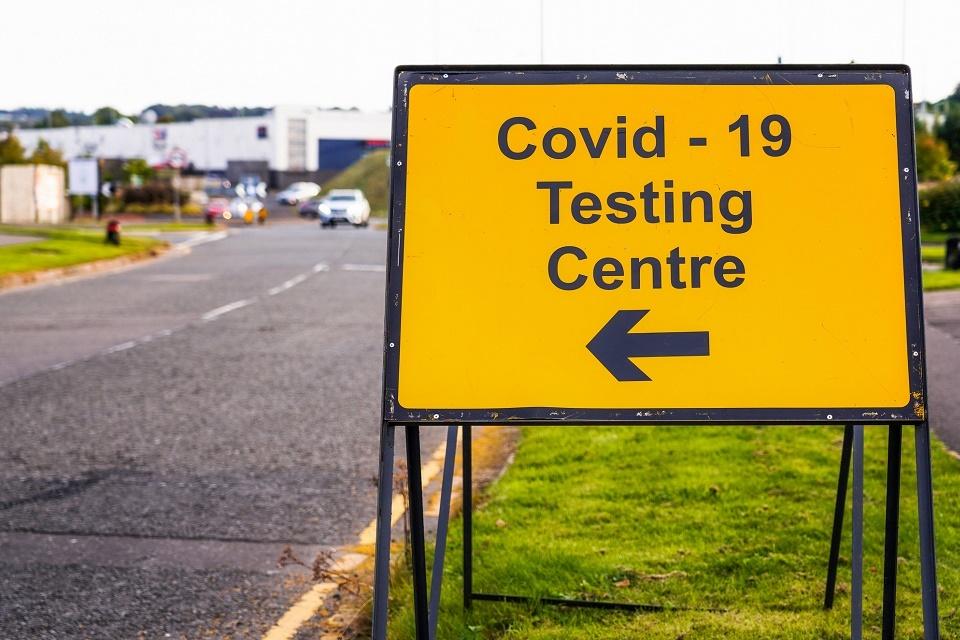
Nearly eight in 10 NHS leaders want the public to continue to have free access to Covid-19 tests, with nine in 10 wanting free access for key workers to continue.
A number of NHS leaders, including NHS Confederation chief executive Matthew Taylor, have raised concern over the government's 'Living with Covid-19' strategy.
Following the NHS Elective Recovery Plan, which sets out how the waiting list of over six million people will be tackled, the NHS Confederation is calling on the government to take a cautious and evidence-based approach to exiting the pandemic so that the NHS can continue to meet the full healthcare needs of the population.
The plan is expected to bring an end to free lateral flow tests for millions of people, as well as an end to mandatory self-isolation for anyone with a positive result from as early as next month. This is as both hospital admissions and deaths linked to the virus continue to fall nationally, thanks in large part to the success of the vaccine roll out and the new Covid treatments that the NHS is delivering.
In a poll of more than 300 of the most senior leaders in the NHS in England, carried out by the NHS Confederation, nearly eight in ten leaders (79 per cent) strongly disagreed or disagreed with the plan to stop free access to Covid-19 tests for the public, with 94 per cent feeling the same about NHS staff and other key workers. NHS staff are currently required to test at home twice a week.
Additionally, 75 per cent of health leaders who responded to the survey disagreed or strongly disagreed with the proposal to change the legal requirement to self-isolate following a positive result to being advisory only. The rules currently state that people must self-isolate for ten full days from when their symptoms begin or when they test positive, with opportunities to exit after five days if certain conditions are met.
Taylor said: “Hospital admissions and deaths linked to coronavirus continue to fall nationally and this is allowing the NHS to bring back many routine services that it was asked to deprioritise during the peaks of the pandemic, including some non-urgent elective procedures. With the success of the vaccine and new Covid treatments, this offers real hope as we learn to live with the virus.
“But the government cannot wave a magic wand and pretend the threat has disappeared entirely. So much is uncertain still, including our long-term immunity and the emergence of future strains, which requires a solid testing infrastructure and clear guidance around self-isolation to remain in place.
“A lot is at stake for the NHS’s recovery ambitions if the government is too gung-ho in its plans for exiting the pandemic, which is why health leaders are calling for a cautious and evidence led approach. This must not be driven by political expediency.”