
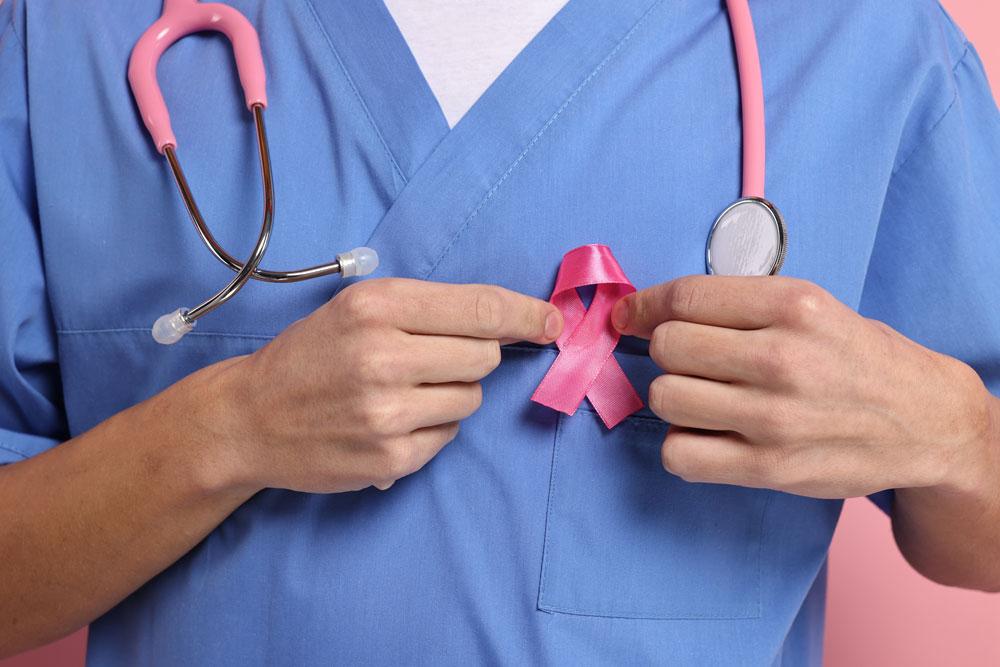
NHS England has launched its first ever campaign to promote breast screenings and encourage women to take up the offer of regular mammograms, following statistics that reveal that 46.3 per cent of those invited for the first time do not take up the opportunity.
Supported by Breast Cancer Now, the campaign features with a new advert across TV, radio and online to highlight that screening can detect cancers early, and features celebrities like Newsnight anchor Victoria Derbyshire and broadcaster and presented Julia Bradbury writer ‘unofficial’ invitation letters to women about their personal experiences of screening and encouraging them to attend.
Women registered with a GP are invited for NHS breast screening for the first time between 50-53, and then every three years until they turn 71, and the new campaign follows a survey of 2,000 women that revealed that 24 per cent of women said they would not attend a breast screening if they didn’t already have breast cancer symptoms.
NHS estimates that if screening attendance could be boosted to 80 per cent by next year, almost a million more women could be screened, compared to 2022/23. This would result in over 7,500 additional breast cancers detected at an earlier stage, where they are more treatable.
NHS national cancer director, Dame Cally Palmer said: “Breast screening detects breast cancers earlier and saves lives — but we know for many women there can be lost of reasons why they might be reluctant to come forward, or why it’s not top of the priority list in their very busy lives. That’s why the NHS has today launched its first-ever campaign to support more women to make the most of breast screening and to address some of the misgivings and misconceptions they might have.
“We hope that by hearing other women’s stories, it will reassure them and remind them why screening is so important. Cancer survival is at an all-time high in England thanks to a real focus on early detection — and we want hundreds of thousands more women to access screening so that any breast cancers can be spotted as early as possible to help save more lives.”