
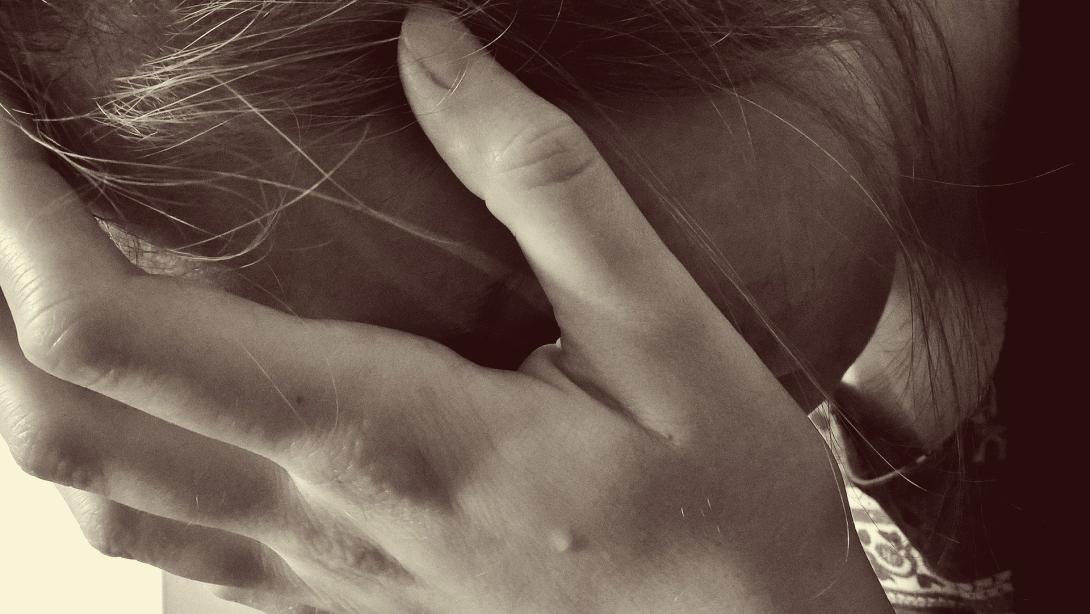
Women who have experienced domestic abuse and sexual assault are being urged to contact the NHS for support, as the number of people seeking help halved during the first lockdown.
Following the death of Sarah Everard and the outpouring from women sharing their experiences of assault and harassment, both in the home and in public, the NHS is calling for anyone who needs assistance to come forward.
Senior NHS leaders have also written out reminding staff how to spot signs a patient may have experienced abuse or assault and what support is available.
The move comes after the number of people receiving help from NHS Sexual Assault Referral clinics (SARCs) halved after the first lockdown compared with the previous year despite official figures showing that domestic abuse and sexual assault increased. The specialist clinics offer people who have been raped or assaulted a range of help including medical examinations, emergency contraception, emotional support and pregnancy testing.
The clinics are run by specially trained NHS doctors, nurses and support workers who can provide the appropriate care for victims. Patients do not need to report a crime to the police to refer themselves to a SARC for assessment, medical treatment and sexual health advice.
Claire Murdoch, NHS England’s National Director for Mental Health, said: “Throughout this pandemic, NHS services have been there for those who need them, including the victims of violence and sexual abuse. “If anyone has experienced domestic abuse or sexual assault, it’s important for them to know that a range of services, including mental health support, is available for you. Everyone is different and needs different types of support, but please remember that NHS is here to listen to you and support you.”
In July 2019 around 2,500 patients accessed SARC services but that fell to 1,250 in the same month last year. While these numbers have steadily increased since last July they are still not at pre-pandemic levels.
The pandemic and lockdown have exacerbated domestic violence, with many victims trapped at home with their abusers. Official ONS figures show that domestic abuse cases have increased seven per cent in the period from April to June last year compared with the same period in 2019.
The letter to local NHS services stresses that all parts of the health service can support people to seek help for abuse and assault during the pandemic and moving forward.