
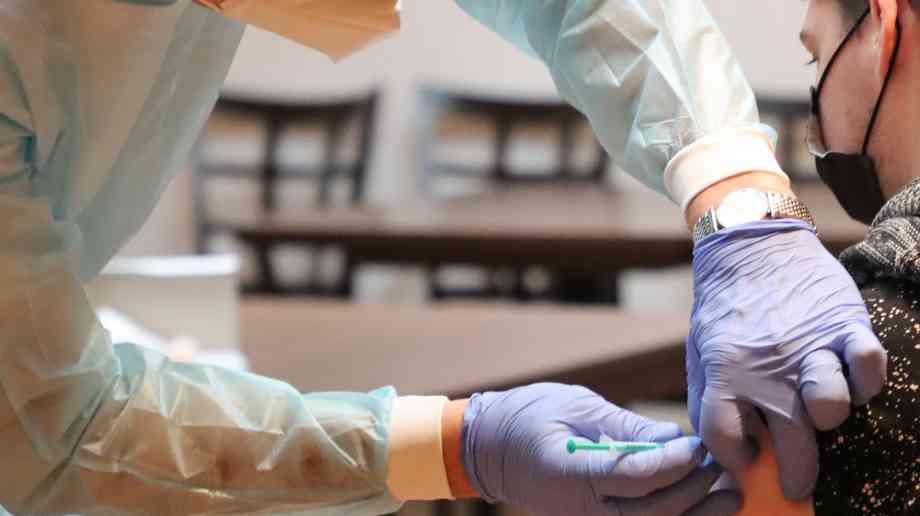
The UK Health Security Agency has received new funding to lead a consortium of research partners to better understand how individuals respond to the coronavirus vaccines.
£1.5 million in funding will help the group to understand why some people become infected after vaccination or prior infection while others do not.
The research will seek to answer a number of key questions, including why some people get reinfections or infections after vaccination while others do not. It will also assess how long immunity from vaccinations lasts, how the timeline differs between the different vaccines and how changes in the SARS-CoV-2 virus’ genetic make-up might evade the immune response.
Nearly 50,000 healthcare professionals enrolled in the existing SIREN and PITCH studies are given PCR tests every two weeks as well as regular antibody blood tests. The antibody results of those individuals who test positive for coronavirus, despite having had two doses of the vaccine or a previous confirmed infection, will be analysed by further specialised clinical interviews and tests to determine whether there are aspects of their immune response that differ from individuals who do not contract coronavirus.
Participants may also be asked if they would like to participate in analysis of their genetic code, to see if there are particular mutations in their DNA that might predict a poor response to vaccination.
Dr Susan Hopkins, Covid-19 Strategic Response Director at PHE, said: “Understanding the immune response is essential, not only to determine who is most at risk of infections after vaccination, but also for vaccine developers who can target key components of the immune response effectively for future booster vaccines. We are pleased that this funding will allow us to better understand immunity and are very grateful to the nearly 50,000 participants who have given up their time to take part in the study.”