
The Healthier You Programme has been used by over 900,000 adults at high risk of developing Type 2 diabetes since its launch in 2016, with a record 166,360 more adults across England receiving this support.
The initiative, ran by the NHS, lasts nine months and is designed to delay or stop the onset of Type 2 diabetes through personalised support on healthier eating, maintaining a health weight, and keeping physically active. Research by the University of Manchester found that completing the Healthier You Programme reduces someone’s chance of developing Type 2 diabetes by 37 per cent, and participants typically achieve an average weight loss of 3.3kg.
The Healthier You Programme is available for people to self-enrol if they have been identified as being at risk of developing Type 2 diabetes from their blood sugars.
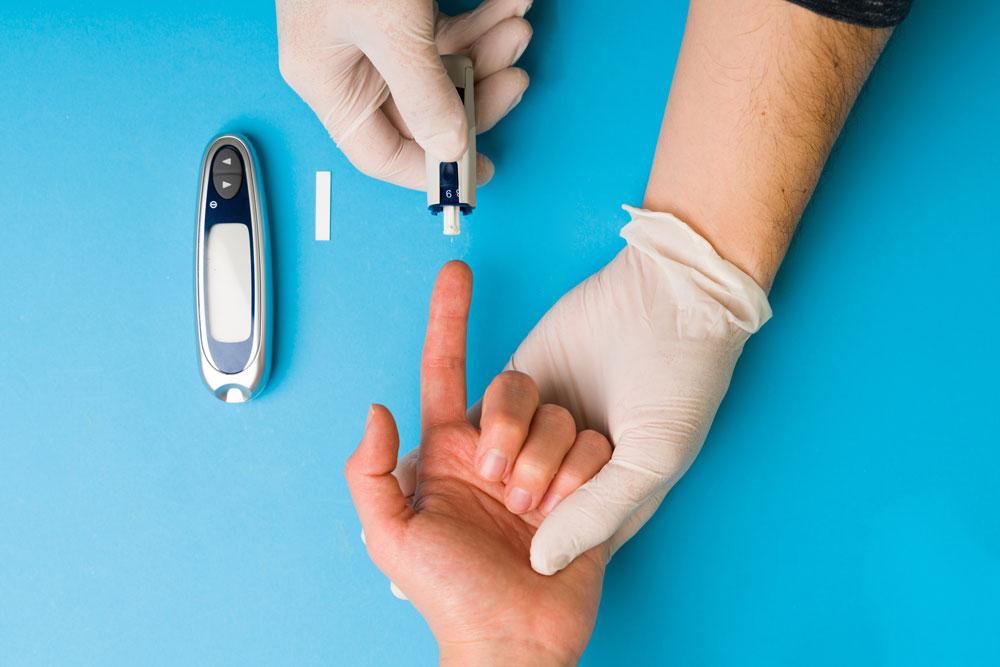
Type 2 diabetes causes significant impact on someone’s life and their families, and is the leading cause of preventable sight loss in people working age. Diabetes Type 2 is also linked to kidney failure, limb amputation, heart attack, nerve damage, stroke, and many of the most common types of cancer.
Each year, the NHS in England usually spends around £10.7 billion a year on identifying and treating diabetes, and it is largely preventable through lifestyle changes. There are two million people in England at risk of developing Type 2 diabetes.
Dr Claire Hambling, national clinical director for diabetes and obesity at NHS England, said: “Type 2 diabetes and obesity are both major public heath challenges for this country, so it is great to see that this world-leading NHS initiative is preventing Type 2 diabetes—and empowering hundreds of thousands of people across England to lead healthier lives.
“Having this opportunity to prevent this life-altering condition via the NHS is remarkable, but it is also important that people are aware of their risk of developing Type 2 diabetes. The Know Your Risk online tool is a quick and easy way of calculating your chance of getting Type 2 diabetes or you can always speak with your GP.”