
A new study has shown a significant drop in coronavirus infections in frontline hospital staff after their face masks were upgraded.
The findings are reported by a team at the University of Cambridge and Cambridge University Hospitals (CUH) NHS Foundation Trust, who, since the start of the pandemic, has been screening staff for coronavirus, including those with no symptoms.
The data was used to track infection rates in the first wave of the pandemic and showed that staff caring for patients with coronavirus were at much higher risk of infection compared to staff on non-Covid wards, even when using the recommended PPE.
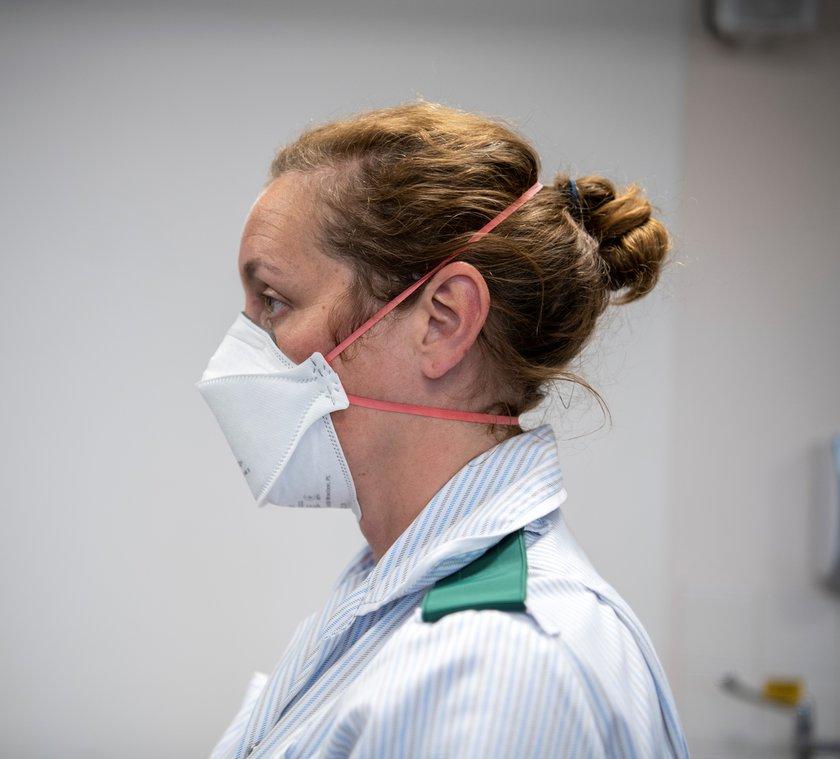
As a result, in December 2020, the hospital changed it's respiratory protective equipment for all frontline staff from FRSMs (fluid resistant surgical masks) to FFP3 respirators. Once fitted they provide a tight seal around the nose and mouth, to stop airborne infection from being breathed in and out. They can be classified as FFP 1, FFP 2 or FFP 3 with the highest number providing the highest protection.
Following the upgrade in PPE, the study found hospital acquired infection rates for those working on Covid wards dropped by up to 100 per cent.
Dr Mark Ferris, one of the study’s authors, said: “Based on data collected during the second wave of the pandemic, we developed a mathematical model to look at the risks faced by those staff dealing with Covid patients on a day to day basis. This showed us the huge effect that using better PPE could have in reducing the risk to healthcare workers.”