
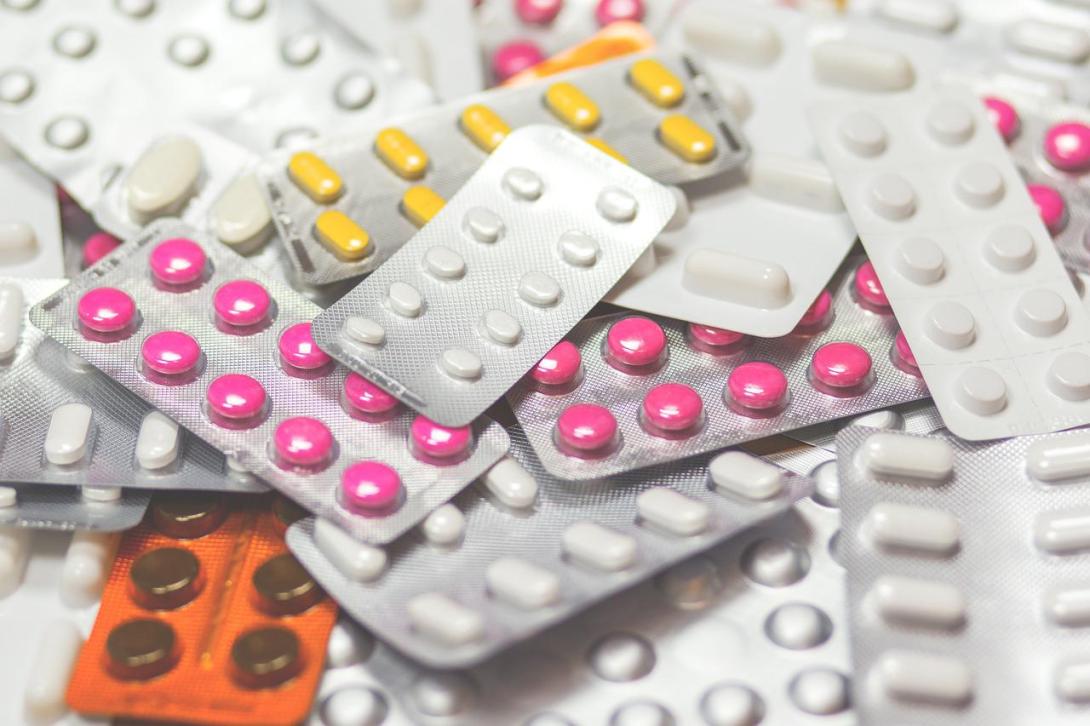
The NHS has saved £1.2 billion on medicine in three years by using its buying power to negotiate better prices on non-branded medication.
Using a cheaper version of adalimumab, used to treat more than 45,000 patients with rheumatoid arthritis, inflammatory bowel disease and psoriasis, is responsible for around a third of the savings.
The patent on the drug expired in 2018 and the NHS was then able to bulk-buy cheaper generic versions which have the same quality, safety and efficacy as the branded one Humira.
Four in five NHS-prescribed medicines are now non-branded. Blake Dark, NHS Commercial Medicines Director, said:
“We are committed to providing our doctors and nurses with the medicines they need to treat patients in every setting. These figures demonstrate that we are continuing to do just that, while also meeting our responsibility to provide taxpayer value for money.”
The new approach to purchasing generic medicines requires suppliers to have extra supplies in the UK so that back-up stock is readily available.
David Webb, Chief Pharmaceutical Officer for England, said:
“Thank you to clinical staff, including pharmacy colleagues up and down the country, and colleagues from national patient organisations who, working together, are enabling the health service to deliver the objectives of providing high quality, safe patient care from our investment in medicines as well as value for taxpayers.
In June, NHS England and the National Institute for Health and Care Excellence (NICE) launched a new Innovative Medicines Fund to facilitate faster access to non-cancer Kruger and provide £680 million ring-fenced NHS funding for innovative medicines. The fund will enable patients to receive new treatment options while collecting further data on the new treatment options.
Image: Pixabay