

Ahead of the publication of monthly NHS performance statistics, NHS Providers chief executive Chris Hopson has warned that trust leaders say they are currently dealing with a very difficult combination of six different pressures all at once.
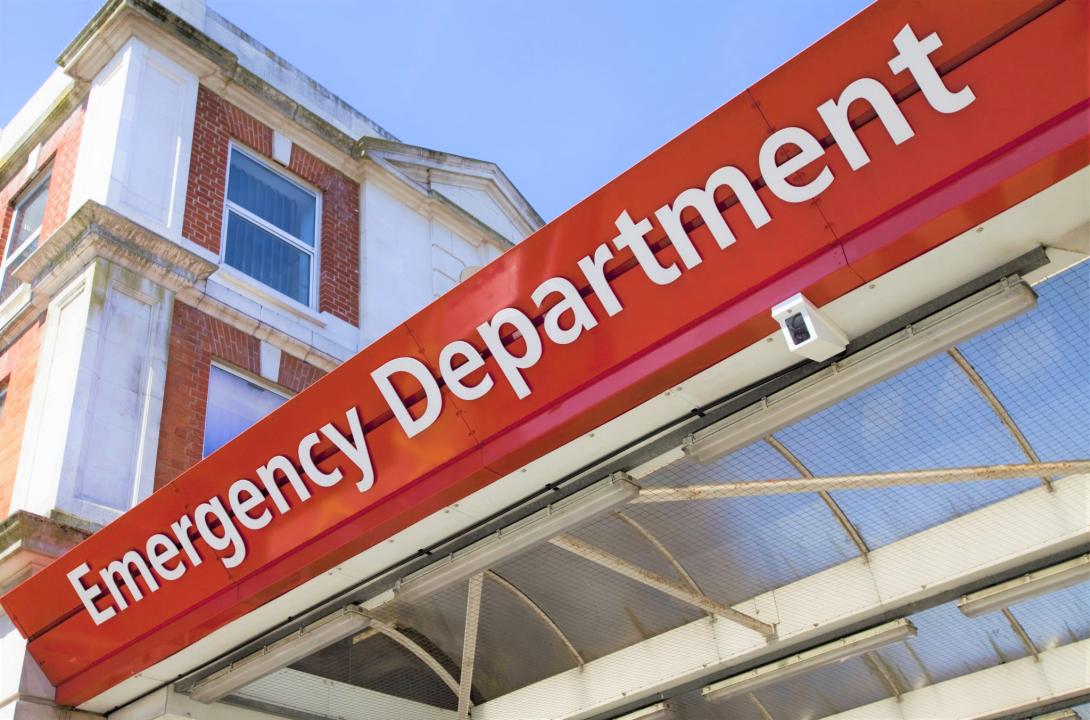
The latest NHS performance statistics are expected to show that every part of the health service is under huge pressure, despite the lower levels of coronavirus hospital cases compared to predictions a month ago.
Discussing the way in which trusts are dealing with a ‘very difficult combination of six different pressures all at once’, Hopson said: "First, they're recovering care backlogs at full pelt but going at this speed inevitably puts pressure on staff, beds and equipment. Alongside this, hospital trusts are working with much lower bed capacity because of continuing enhanced infection control measures. This is a major challenge given the NHS didn't have enough beds before the pandemic started. Staffing levels have now become a critical issue for many trusts.
"Third, trust leaders say they still have large numbers of staff self-isolating. While the changes announced to help the NHS in mid-July have had some effect, the impact has not been anywhere near as big as predicted or hoped for. Trusts cannot wait for the further changes to self-isolation rules on 16 August.
"Fourth, trusts are now in peak summer leave period, with more leave being taken than normal, where possible, because of leave that couldn't be taken in earlier waves of Covid-19.
"Fifth, demand for urgent and emergency care is exceeding the levels we saw before the Covid-19 pandemic. The pressure varies from trust to trust but some trusts, for example, those in holiday hotspots are being particularly hard hit and some have seen their highest ever levels of urgent care demand over the last few weeks.
"Finally, although the 5,000 Covid-19 patients we've seen in hospital over the last fortnight is lower than many were predicting, it's still a significant pressure, particularly in hospitals with high bed occupancy for other reasons. For example, the higher level of emergency admissions many trusts are seeing and the pressure on beds from backlog recovery.”