
A rehabilitation programme is being launched to get thousands of frontline NHS staff back to work.
Nuffield Health’s Joint Pain Programme will support NHS workers with chronic and long-term joint conditions like arthritis or back pain.
The programme will work with NHS teams to identity staff suitable for the programme and initially offer it at 10 trusts in London, Birmingham and the North West before a national rollout later this year.
Musculoskeletal (MSK) conditions are currently the second leading cause of absence among NHS staff. In August 2024, more than two million days were lost due to NHS staff sickness. Back and musculoskeletal problems led to over 314,000 lost days.
Nuffield Health’s programme has already benefitted 35,000 people, and participants experienced 35 per cent improvement in joint pain and 37 per cent improvement in joint function after taking part in 2024. It also prevented 86,226 sick days and resulted in a 29 per cent reduction in GP appointments in 2024.
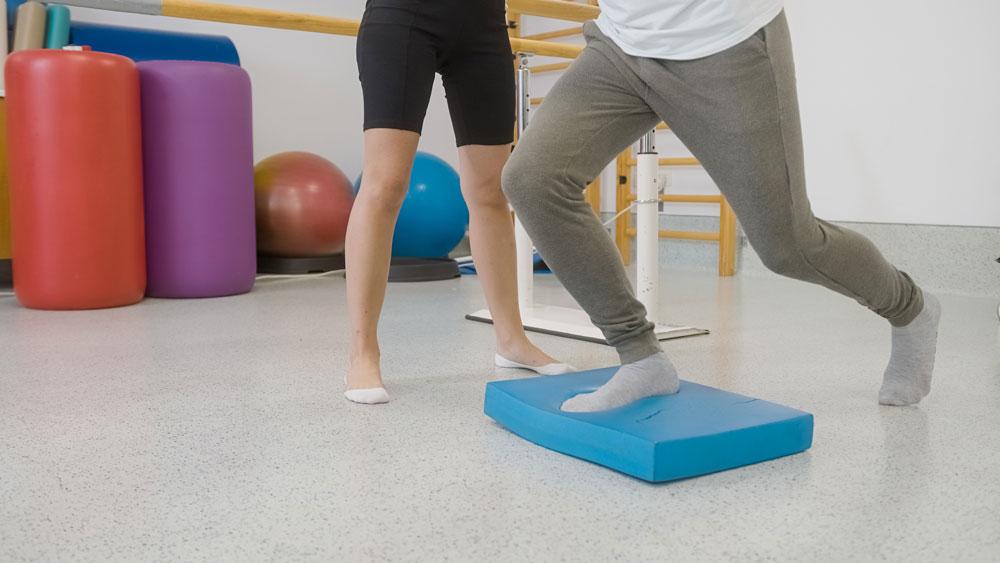
The programme provides 12 weeks of exercise and support led by a personal trainer who has been upskilled to deliver rehabilitation programmes, followed by 12 weeks of access to Nuffield Health fitness facilities.
Health and social care secretary Wes Streeting said: "NHS staff cannot treat patients if they’re in debilitating pain themselves.
"This partnership with Nuffield Health will help get thousands of NHS staff back to work, improve their quality of life, and allow them to continue to cut waiting lists.
"We’ll care for them so they can care for us and deliver our Plan for Change’s goal to build an NHS fit for the future."
Alex Perry, CEO, Nuffield Health said: "Nuffield Health’s mission is to build a healthier nation and our free-to-access Joint Pain Programme is a key part of that. This unique programme has helped over 35,000 people to date improve their health and quality of life.
"By offering this free programme directly to NHS staff—including nurses, porters, and paramedics—we are providing them with support to recover, return to work, and continue delivering essential care.
"This not only improves their health but also reduces pressure on the NHS by lowering sickness absence and keeping skilled staff where they are needed most."