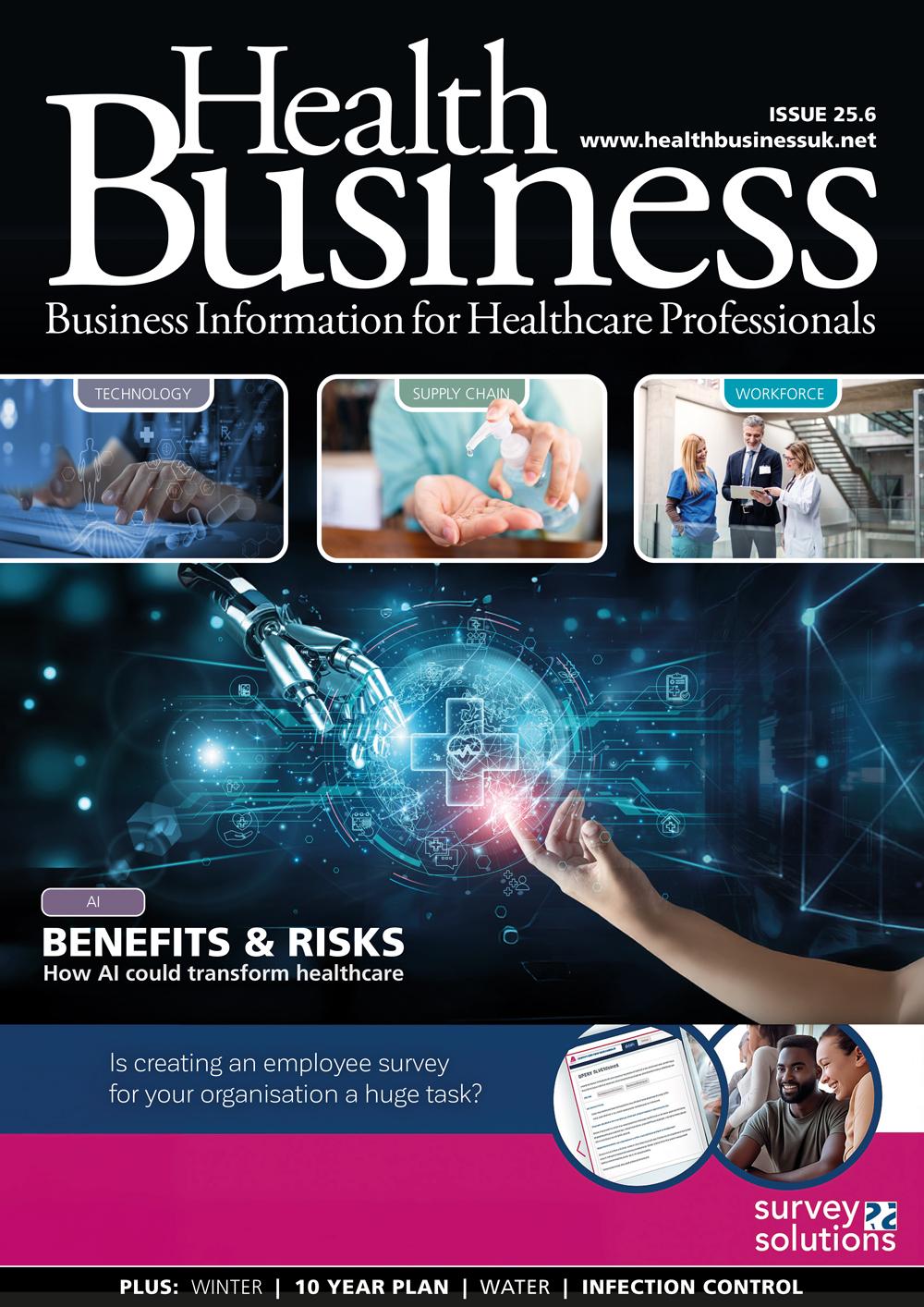


Seven emerging AI healthcare technologies have been chosen for the next phase of MHRA’s AI Airlock programme.
The technologies include AI tools that could reduce bowel cancer test times from weeks to minutes and detect skin cancer and genetic eye diseases sooner, as well as AI-powered clinical note taking, hospital stay summaries and blood test interpretation.
The AI Airlock programme provides a controlled environment to trial AI tools safely, ensure their effectiveness, identify limitations and challenges around the use of AI as a medical device, and explore potential pathways towards regulatory approval.
The results from testing the technologies will inform future MHRA work on the regulation of AI, including recommendations to the MHRA’s National Commission into the Regulation of AI in Healthcare.
Health Innovation Minister Zubir Ahmed said: “The AI revolution is here and we want our NHS staff to be the first in the queue, armed with rigorously tested and evidenced clinical AI tools
“The AI airlock programme is a great example of how we can test new innovations thoroughly while still moving at pace, as we seek to deliver on our promise to shift healthcare from analogue to digital.
“Through our ten year health plan we will drive for the NHS to be the most AI-enabled healthcare system in the world.”
Lawrence Tallon, MHRA chief executive, said: “AI technologies offer important opportunities to transform healthcare, but they also create new regulatory complexities, due to the rapid pace at which they are evolving.
“As the first country to create a dedicated regulatory environment, or ‘sandbox’, specifically for AI medical devices, we’re pioneering solutions to the unique challenges of regulating these emerging healthcare technologies.
“The first phase of AI Airlock demonstrated the value of close collaboration between innovators and regulators. I look forward to seeing the results of this new cohort and how their technologies will shape the next generation of safe, effective AI tools in healthcare.”