
Latest NHS data shows that 1,900 previously undiagnosed cases of HIV have now been identified by a large scale NHS testing programme since it began in April 2022.
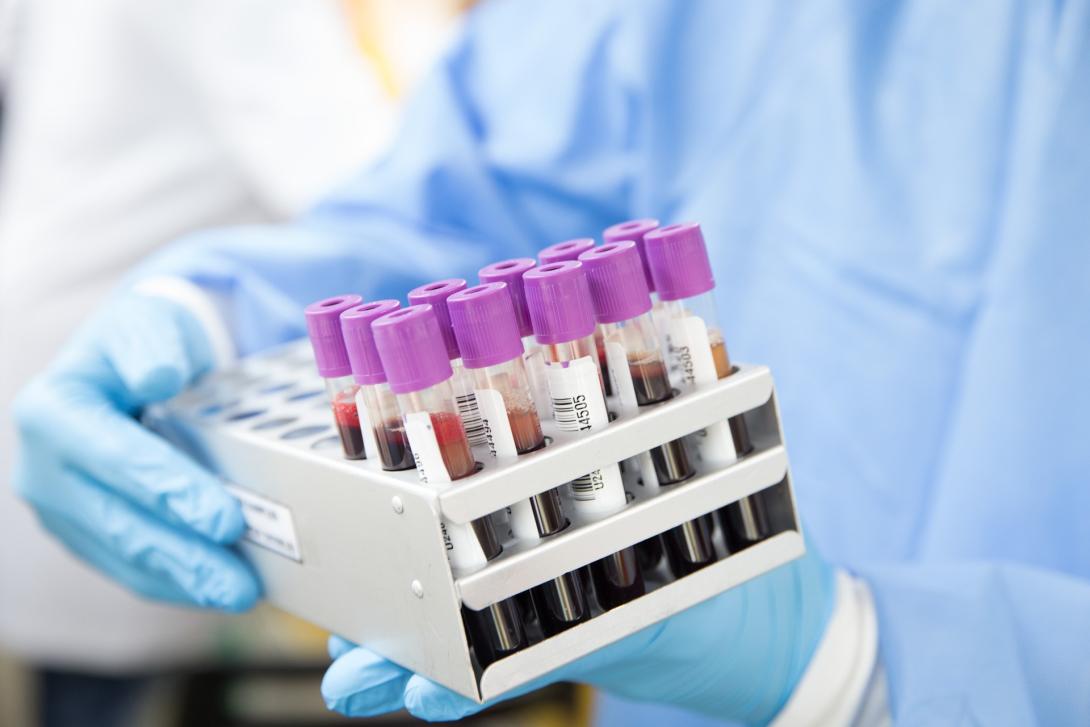
Under the first-of-its kind programme, adults in need of a blood test in A&E in 88 areas of England with the highest rates of HIV are routinely tested for the virus alongside hepatitis B and C unless they opt out.
If someone’s test comes back positive for HIV (or hepatitis B or hepatitis C) the person is offered specialist support from the NHS, and a treatment plan is agreed with them.
Almost all (93%) individuals diagnosed by the programme had no record of a prior HIV test – according to research by the UK Health Security Agency (UKHSA) – which health chiefs believe shows the initiative is reaching people who are unlikely to be tested routinely through other routes.
The data comes as a major new economic evaluation study – published in The Lancet HIV – estimates that the first 802 new diagnoses from the programme’s initial phase, will prevent around 187 HIV-related deaths and 28 new transmissions over the next 20 years.
The research – conducted by the National Institute for Health and Care Research (NIHR) Health Protection Research Unit in Evaluation and Behavioural Science at University of Bristol – found the programme is cost-effective and is enabling people to start life-saving treatment sooner, improving health outcomes and reducing onward transmission.
One person whose previously unidentified HIV was found by the NHS ED Opt-Out Testing Programme is Ayo from Manchester, who is in his 50s. From November 2022, Ayo experienced nerve pains throughout his body and numbness in his face. He was off work, unable to perform his job and his plans to go to university were put on hold.
Over time, Ayo’s condition deteriorated further. He lost 20 kilograms in weight and the neuropathic pain continued. Eventually, very unwell with a high fever and an abscess on his neck, he was rushed to Manchester Royal Infirmary’s Emergency Department.
It was there that Ayo was tested for HIV as part of the NHS Blood Borne Virus Opt-Out Testing Programme, and his test result came back positive.
Ayo, said: “If I wasn’t in hospital, I wouldn’t have been tested for HIV. It wasn’t something I thought would affect me in my fifties, but in the blink of an eye, everything changed.
“Now I know my status, I can protect my wife and stay well for my family.
One in 20 people living with HIV in England don’t know they have it, and many others are only diagnosed after the virus has already caused serious damage to their health.