
Healthcare environments are uniquely vulnerable to the spread of viruses and bacteria, making robust infection‑prevention measures essential. From hand hygiene and PPE to patient isolation, enhanced cleaning, visitor management and good ventilation, consistent, layered practices help protect patients, staff and visitors and reduce the risk of cross‑infection
Back in October 2025, NHS leaders warned that the flu season could be bad, with flu cases hitting the NHS a month earlier than usual and cases three times higher than the same time last year.
By the end of October, more than 12 million flu jabs had been delivered. This included more than 6.7 delivered to the over 65s, 1.8 million to school-aged children and 366,000 to two and three-year-olds.
At the time, Duncan Burton, chief nursing officer for England, said: “This early rise of flu in children is particularly concerning – especially given that flu circulation in children normally precedes that in adults – so it’s vitally important those eligible come forward for their vaccine as soon as possible to avoid a long and drawn-out flu season.
“The flu virus changes every year, so it’s important to get a vaccination each year to ensure yours and your families protection and to help reduce the spread to others.
“Vaccines are one of the safest and most effective ways to help shield against the virus and prepare for what we expect to be a very challenging winter, so I would urge everyone eligible to come forward for their jabs as soon as they can, with easy to book appointments or drop-in sessions now available closer to home.”
The following week the NHS issued a flu jab SOS, with England’s top nurse warning people to get protected as soon as possible. The NHS made available 2.4 million vaccination slots in the next week, enough the vaccinate the whole of Greater Manchester.
Eligible adults were urged to get their jab as soon as possible, after Australia had its biggest flu season in history.
By 6 November, more than 13 million jabs had been delivered including three in five of all care home residents. However, only a third of eligible toddlers had been vaccinated.
The UK Health Security Agency (UKHSA) found that the flu vaccine is estimated to have prevented around 100,000 people from being hospitalised in England last winter.
Healthcare environments
Healthcare environments are particularly vulnerable to outbreaks of flu and the spread of other viruses and bacteria because of the close contact between patients, staff, and visitors. Preventing transmission is essential to protect vulnerable individuals and reduce pressure on services.
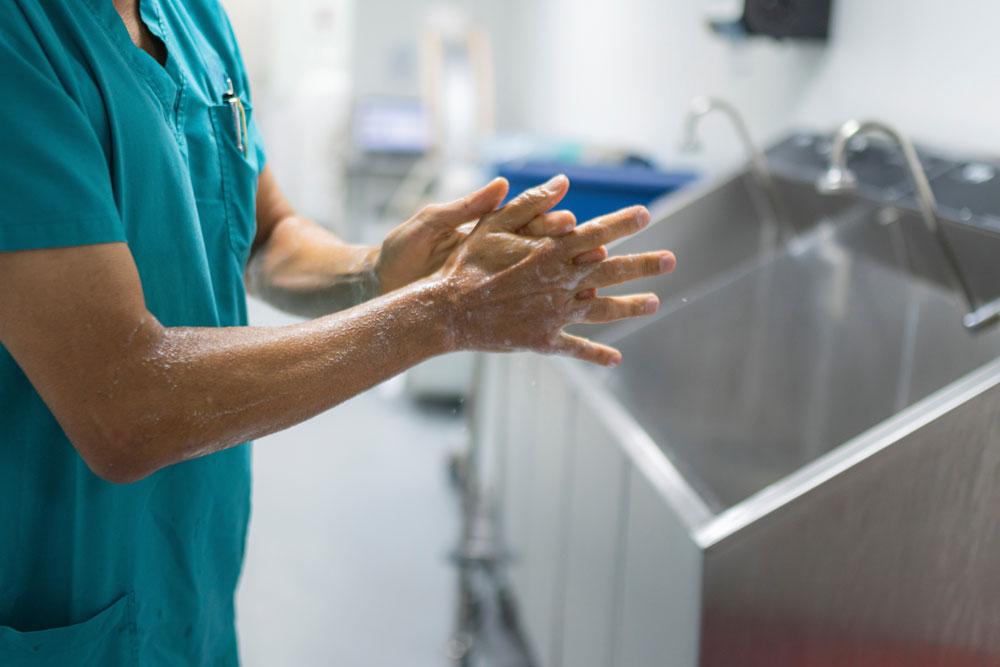
Strict hand hygiene is another critical defence. Regular handwashing with soap and water, or using alcohol-based hand sanitiser, helps limit the spread of flu viruses from surfaces and equipment. Alongside this, the appropriate use of personal protective equipment (PPE) such as masks, gloves, and gowns is vital, particularly when caring for patients with confirmed cases.
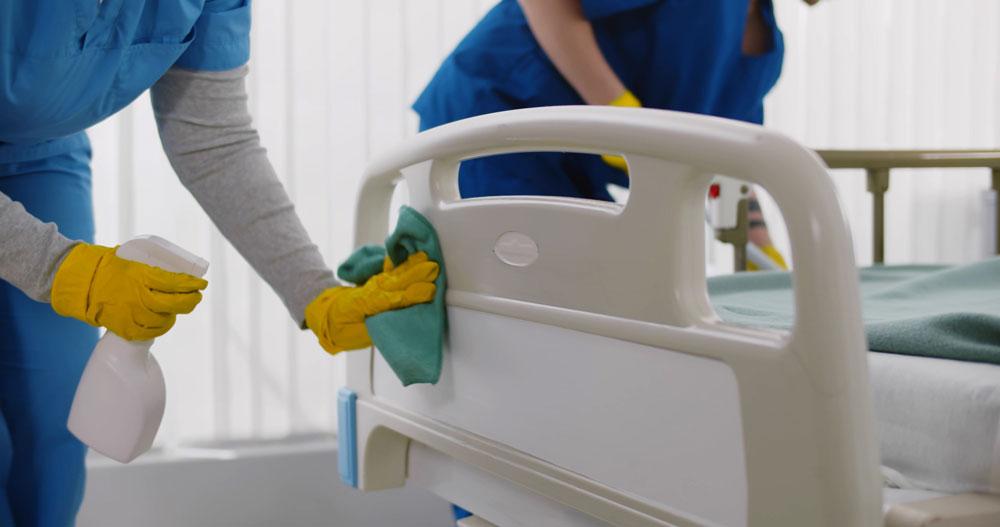
Isolation and cohorting of patients can also play a major role. Those with symptoms should be separated where possible, to prevent cross-infection with non-flu patients. Enhanced cleaning protocols are equally important, with frequently touched surfaces such as bed rails, door handles, and medical equipment disinfected regularly to reduce viral contamination.
Visitor management is another key consideration. Limiting visits, and encouraging symptomatic visitors to stay away, helps protect patients and staff. Good ventilation in wards and waiting areas further reduces the concentration of airborne particles, lowering the risk of transmission.
Effective infection control relies on consistent, layered measures that limit the spread of viruses and bacteria in healthcare settings. Strong hand hygiene, appropriate use of PPE, and clear isolation or cohorting procedures help reduce cross‑infection between patients and staff. Regular cleaning and disinfection of high‑touch surfaces, careful visitor management, and maintaining good ventilation all play a crucial role in reducing environmental contamination. When these practices are applied together and maintained consistently, they create a safer environment for patients, staff, and visitors alike.