
The lack of temporary accommodation because of the coronavirus pandemic is creating increased challenges in discharging people at risk of homelessness.
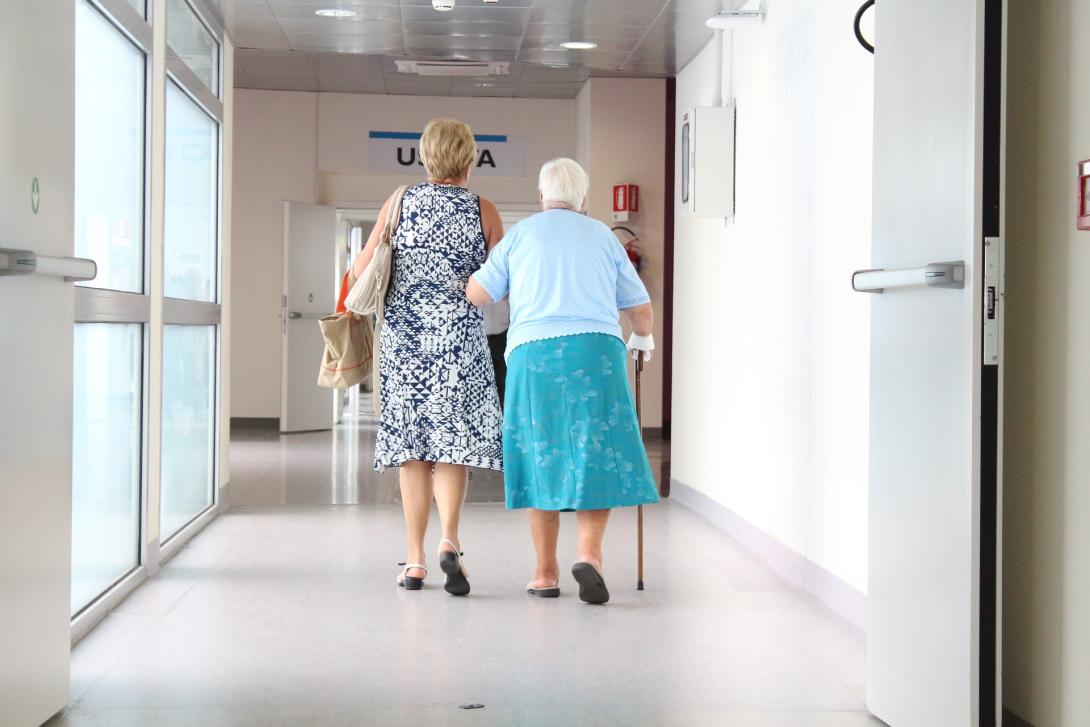
According to new research from the Chartered Institute of Housing Cymru, NHS staff do not tend to follow a clear protocol on hospital discharge, often relying on local conventions, and the lack of temporary accommodation because of the pandemic is creating increased challenges in discharging people at risk of homelessness or those whose home may be unsuitable following their hospital stay.
The report also found that the presence of a housing expert in a hospital setting can improve timely advice for professionals and patients, and that patients who are not formally admitted to hospital do not get information that could keep them well at home.
The report makes a wide range of recommendations for health boards, the Welsh Government and other stakeholders who support the hospital discharge planning process. These include the need to ensure housing advice is considered as a central part of discharge planning, to involve housing experts at the earliest opportunity when a housing advice need becomes apparent and further consideration be given to how local authorities can be supported to facilitate hospital discharge with limited temporary accommodation in place as a result of the pandemic.
Catherine May, Tyfu Tai Cymru manager, said: “This research shines a light on what can be achieved for people when housing experts are included in a joined-up way and housing advice used as part of the discharge planning process. It shows that discharge planning can vary widely depending on someone’s circumstances – from those who may present at a hospital but not be formally admitted, to those who undergo a procedure that will change their ongoing housing and care needs. Whilst we know a one size fits all approach does not work, there is a case to make sure housing advice is embedded so everyone can have access to it when they come into contact with healthcare services.”