
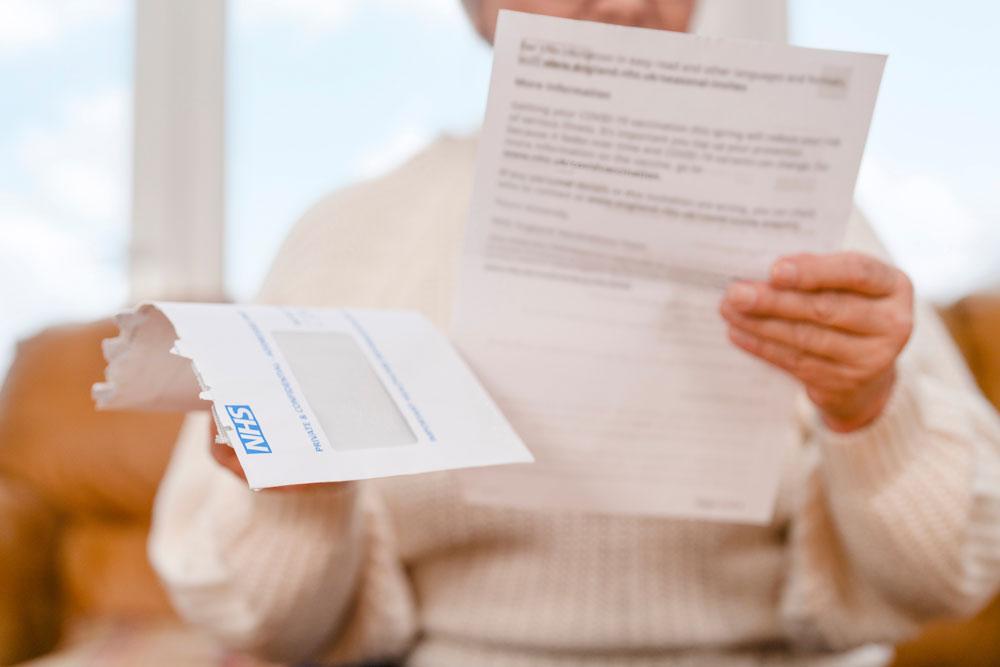
The NHS has announced plans to overhaul patient communications in a bid to end the situation where invitations arrive after the appointment.
Now, patients are to receive at least three weeks’ notice from the NHS for all new planned medical appointments.
New standards set out what patients can expect from the NHS when they are referred for planned care, and have been developed in consultation with patients, unpaid carers and experts including The Patient’s Association, Healthwatch England and The King’s Fund.
The change is part of plans by the NHS to overhaul the way the public experiences and interacts with the health service, alongside reforms to improve their care and reduce waiting times.
Under the new guidance, all patients will receive clear confirmation via the NHS App when their referral from their GP has been accepted by a hospital specialist and they have joined the waiting list. This will be sent by text and letter.
Sir Jim Mackey, NHS Chief Executive, said: “Almost everyone has a story in their family about how navigating the NHS has been like walking through treacle, including cases where patients aren’t even sure if they’ve been referred, which is clearly unacceptable.
“If we want to keep improving patients’ experiences and satisfaction with the NHS, we have to fix the basics – and that starts with how we treat people even before they arrive for their treatment.
“Our communication with patients needs to be clear and easy to understand. We have to get away from making patients ask us multiple times to get the information they need, and start delivering five-star customer service.
“These standards are by no means revolutionary – they are simple and clear standards that should be the bare minimum the public can expect from our services, and together we have to make sure that patient experience is always at the very centre of our decision-making and service planning.
“Staff across the country have driven real progress in how people are experiencing the NHS this year – but there is a long way to go. Needing medical care is stressful enough, and through all the work to join up our data and invest in digital technology, we are building a modern NHS fit for the future and able to make life much easier for patients to access the care they need.”