

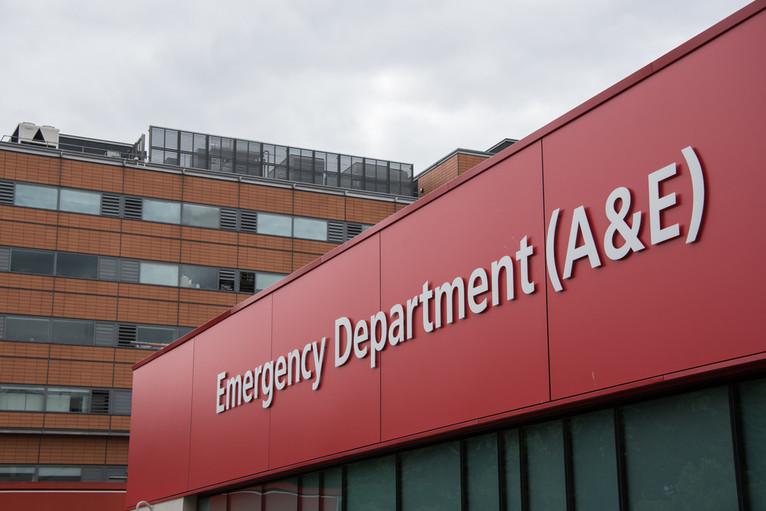
The Royal College of Emergency Medicine has warned that thousands of patients a year are dying because of overcrowding in A&E units in Britain, and more fatalities will follow this winter.
Figures indicate that an estimated 4,519 people in England died in 2020-21 as a direct result of people receiving less than ideal care while delayed in A&E waiting to start treatment in the hospital. There have also been 709 deaths in Wales and 303 in Scotland so far this year for the same reason, with 566 excess deaths caused by overcrowding in Northern Ireland.
According to the RCEM report, the 4,519 in England ‘may be an underestimate’, but, nonetheless, the four figures taken together mean the college has identified at least 6,097 deaths across the four home nations that it believes occurred because overcrowding hampered the person’s treatment.
The RCEM’s findings come days after the Association of Ambulance Chief Executives disclosed that patients in England are dying in the back of ambulances, in hospital and also in their homes because there are too few ambulances to answer 999 calls.
The RCEM highlights that the government’s Getting It Right First Time programme, which aims to improve quality of care, has found a patient’s risk of dying rises the longer they spend in an A&E. Doctors have warned that hospitals are becoming dangerously full because of coronavirus and their inability to discharge patients who are medically fit to leave, which leads to a severe logjam in A&E.
Matthew Taylor, the chief executive of the NHS Confederation, said: “Overcrowding in emergency departments is not merely inconveniencing patients during their visits to hospital, it’s costing thousands of lives. This report again shows why healthcare leaders are sounding the alarm, with the health service now under critical and unsustainable pressure.”