
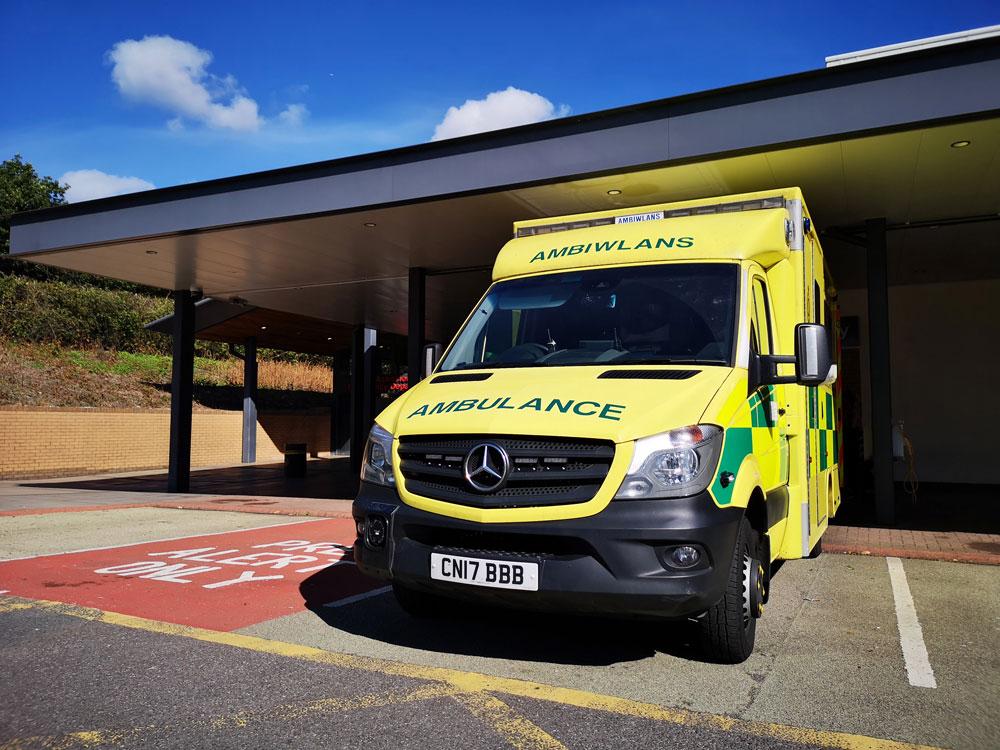
Changes will be made to way the Welsh Ambulance Service manages 999 calls will come into force on Tuesday 2 December.
The changes are designed to ensure the ambulance service can quickly identify and respond to people with a range of serious time-sensitive conditions like suspected stroke and heart attacks.
New “orange now”, “yellow soon” and “green planned” categories will replace the existing amber and green categories.
In July, “purple arrest” and “red emergency” categories were introduced for the most life-threatening calls.
There will now be five new ambulance response categories: purple arrest for people experiencing a cardiac or respiratory arrest who need an ambulance immediately and red emergency for people at high risk of a cardiac or respiratory arrest, for example, someone who is choking, who needs help immediately.
These will be joined by: orange now for serious conditions, which need face-to-face clinical assessment, tests and transfer to hospital or specialist care, for example, someone with symptoms suggestive of a stroke or heart attack: yellow soon, for people who need to be assessed first, either over the phone or face-to-face, before a clinician determines the most appropriate next steps for their care, for example, a person with abdominal pain, or non-serious injury; and green planned, for less urgent calls, such as someone with a mild infection.
Cabinet secretary for health and social care, Jeremy Miles said: "This new ambulance response model is about making sure everyone gets the right care for their complaint or condition.
"By improving clinical decision-making and introducing new response categories, we will deliver better outcomes and experiences for people across Wales.
"The new approach will be evaluated to ensure it is delivering the improvements in patient care which we expect.
"We are seeing positive outcomes from the changes introduced in July and we want to see this system save more lives and provide better experiences for people across Wales."
Executive director of paramedicine at the Welsh Ambulance Service, Andy Swinburn, said: "Calls to the Welsh Ambulance Service have traditionally been categorised as red, amber or green, but it’s become apparent these categories have broadened over time, leading to an inefficient use of ambulance resources.
"The current amber category in particular – which represents around 70 per cent of total demand – doesn’t allow for a more targeted response to serious conditions like a stroke or a fractured hip, which means that some patients wait far longer than any of us would like.
"The nature of how people present to 999 has changed and it’s important to reflect this in the way we respond, first and foremost to increase ambulance availability for those who truly need it but also to ensure that people who can be cared for closer to home get that opportunity."